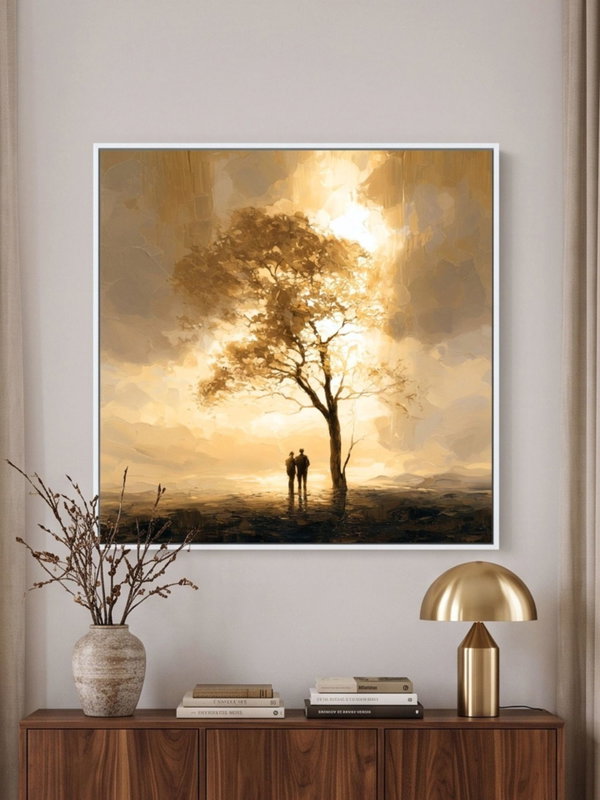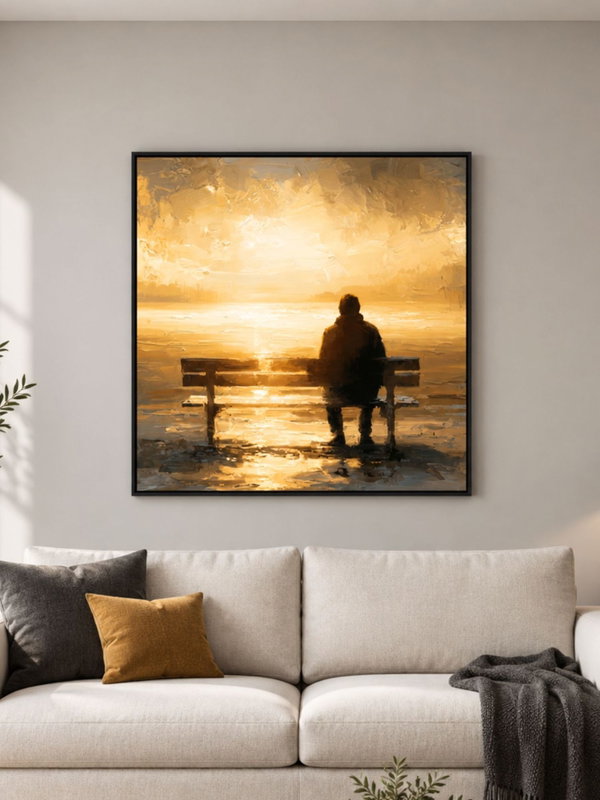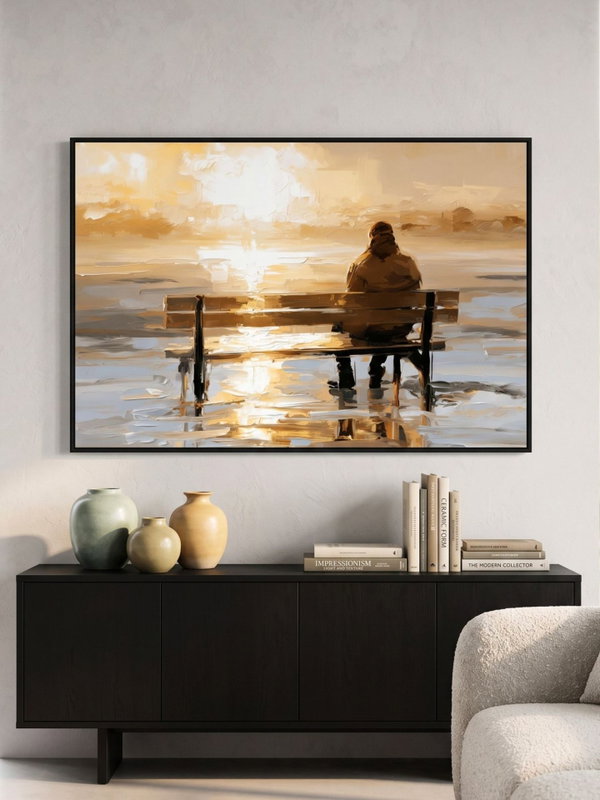
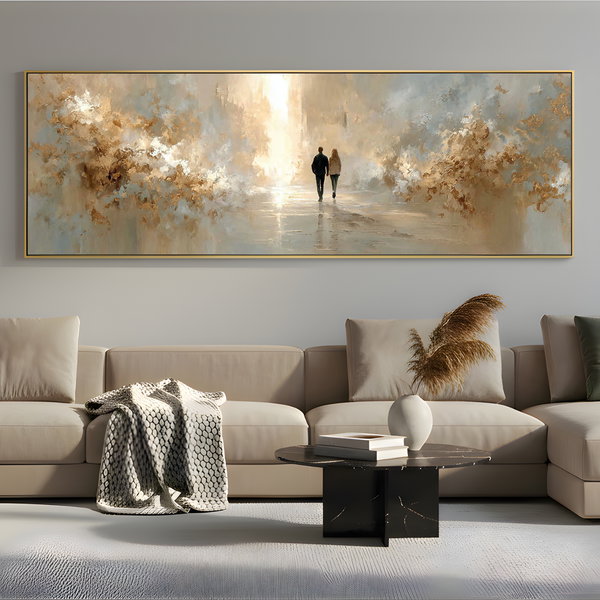
Buy artwork by Elio Lumen

Elio Lumen

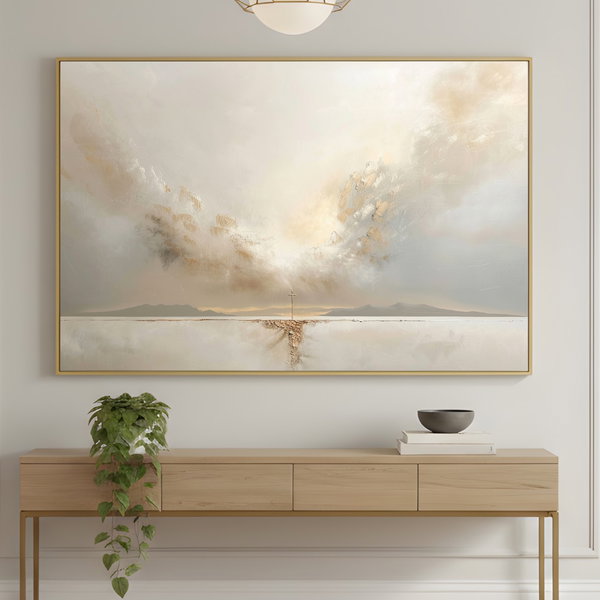
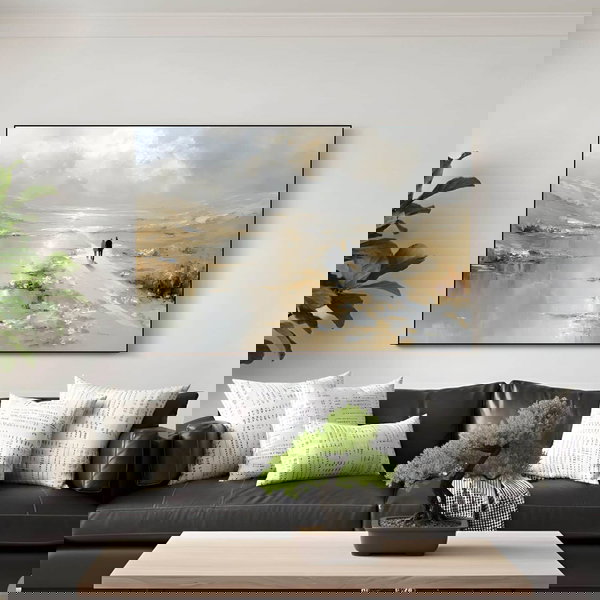
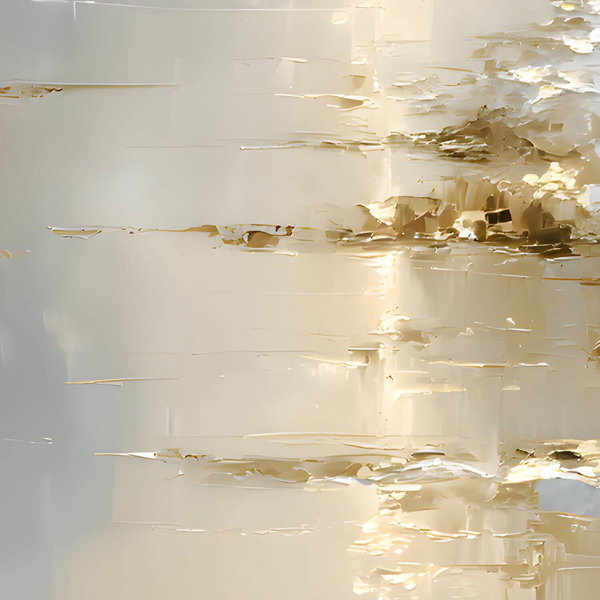
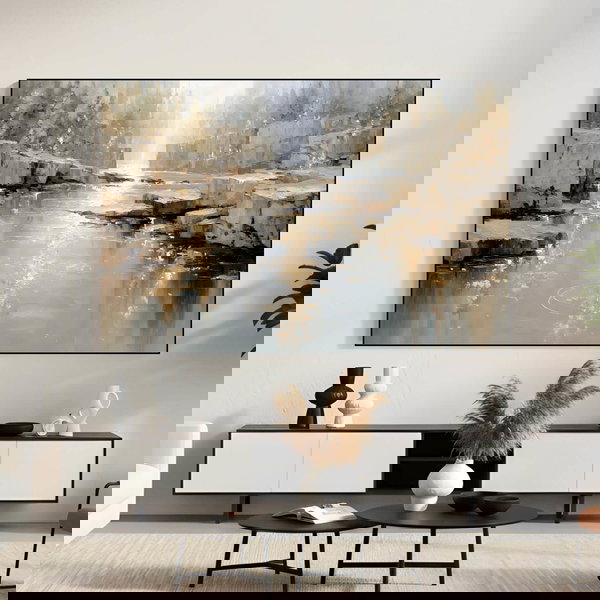
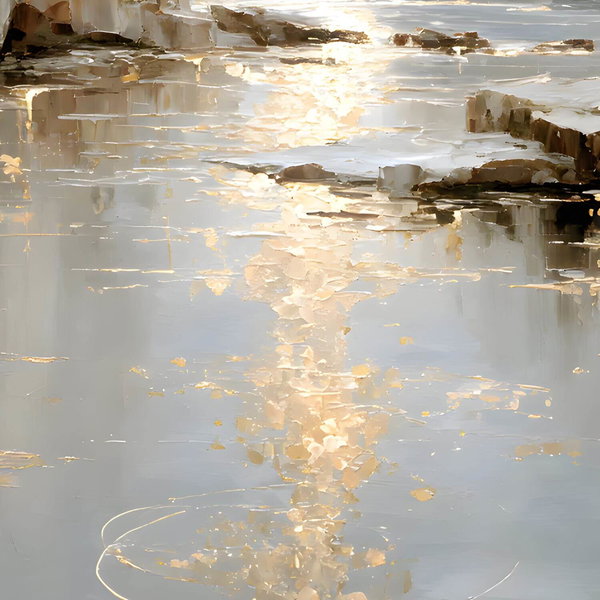
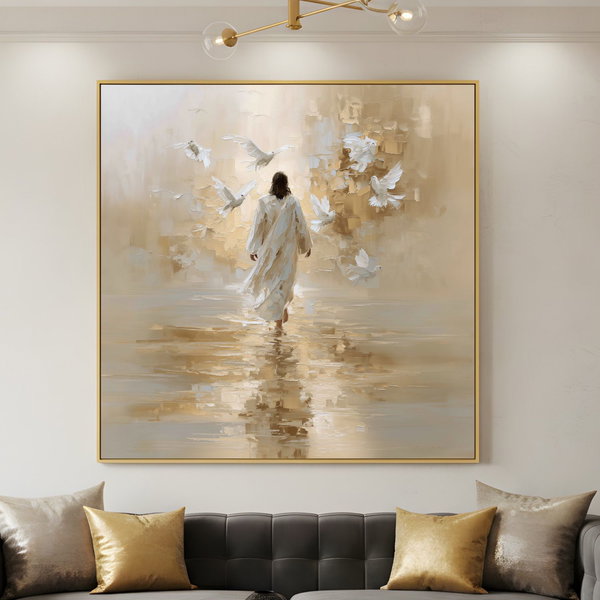
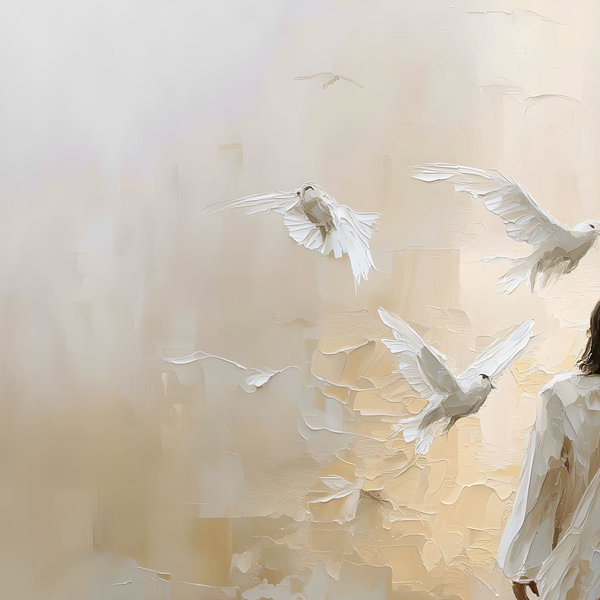
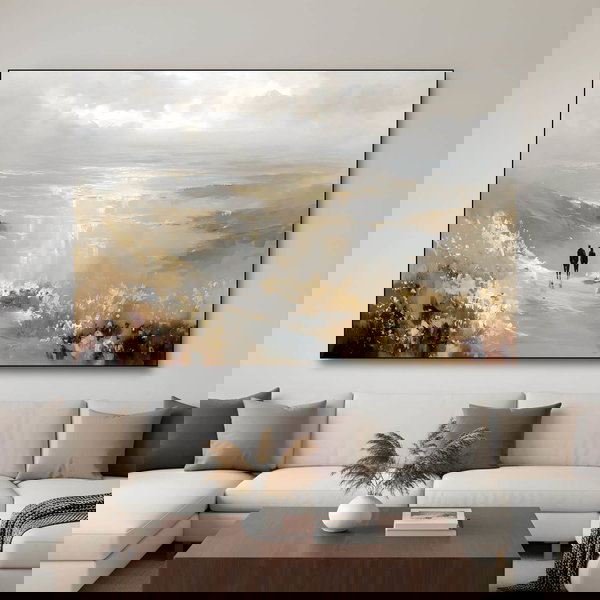
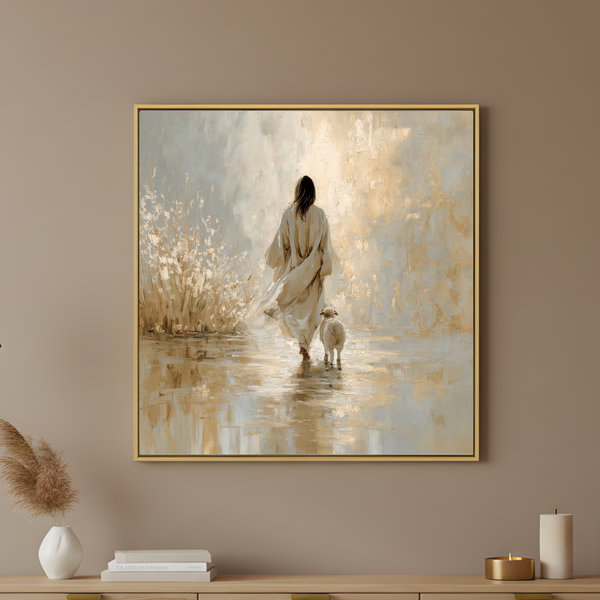
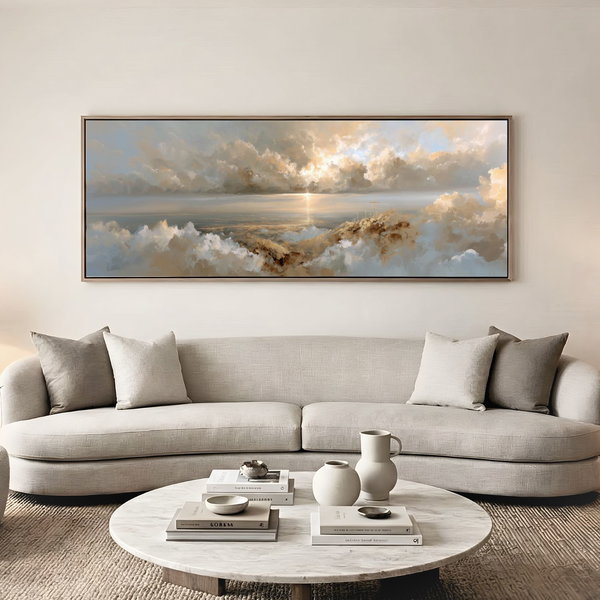
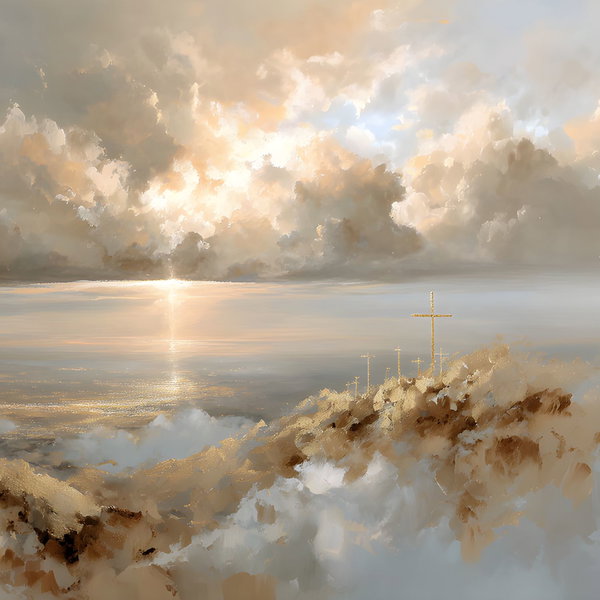
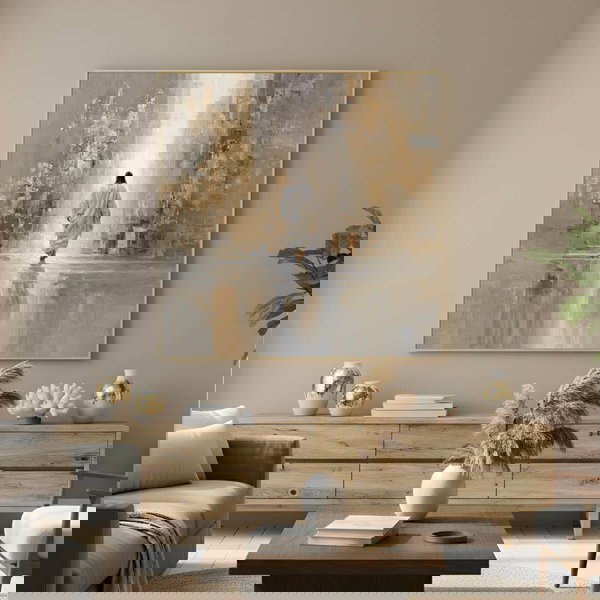
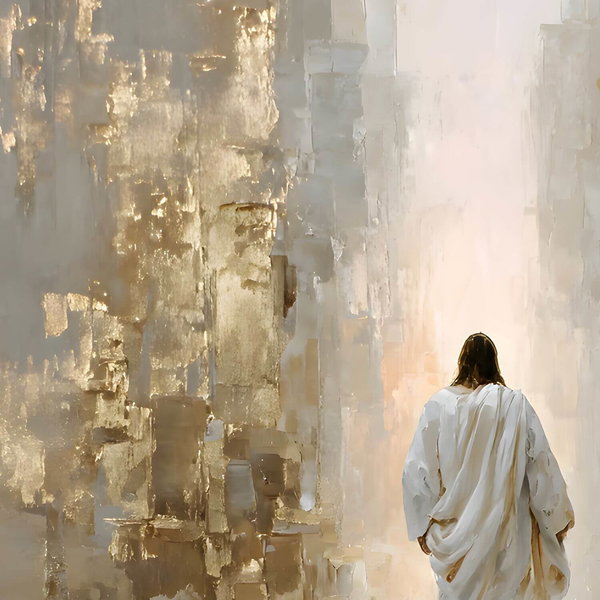
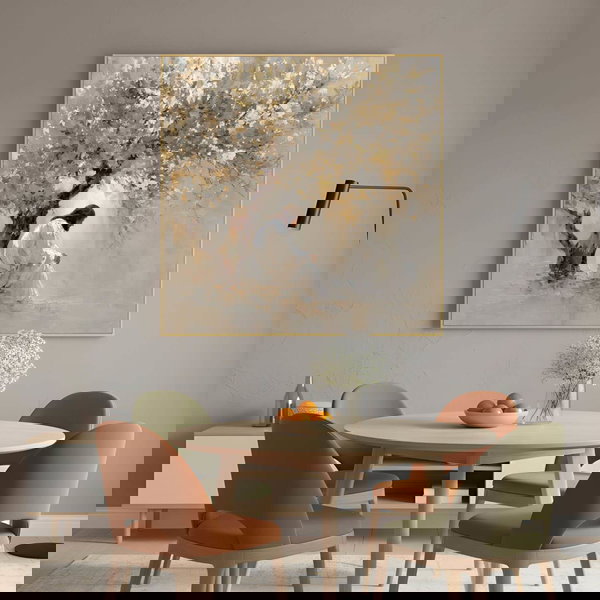
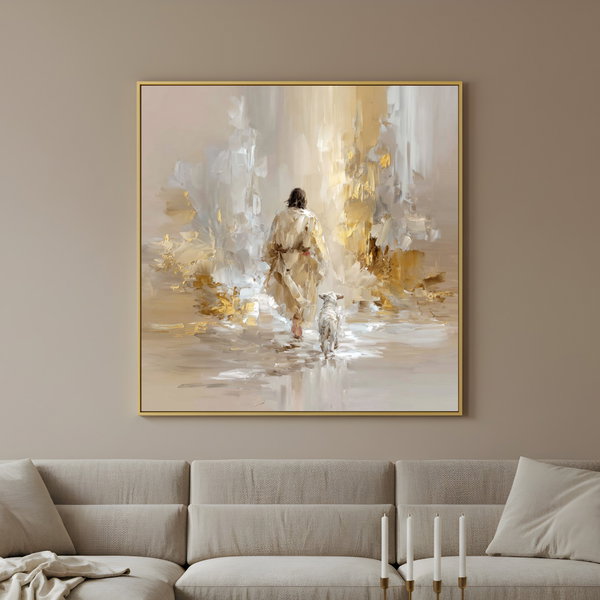
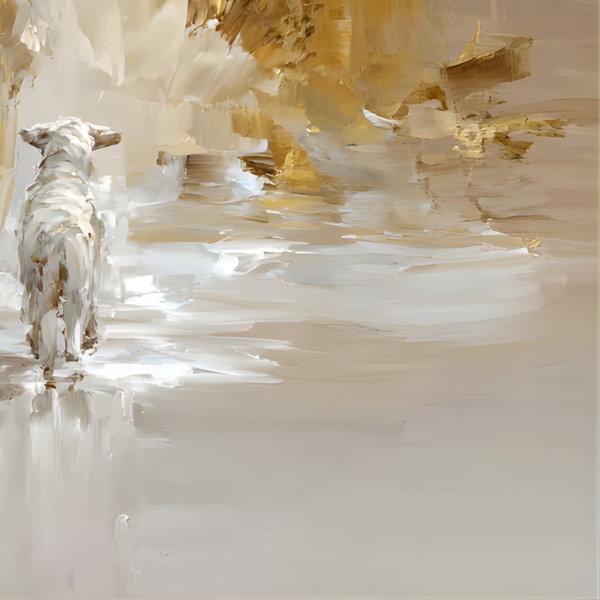
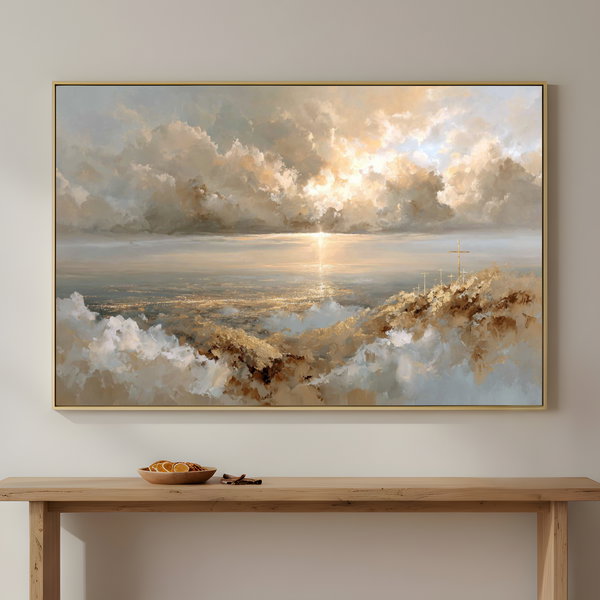
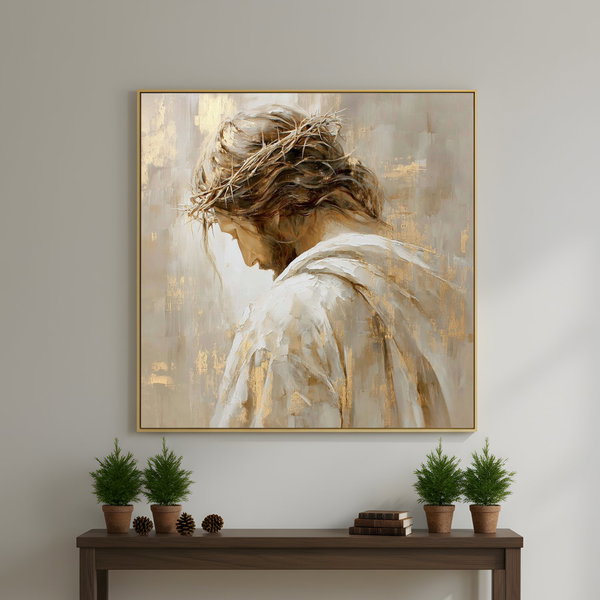
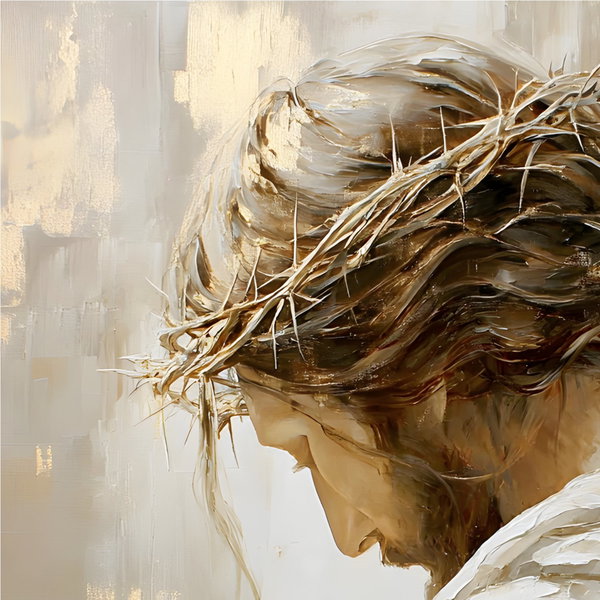
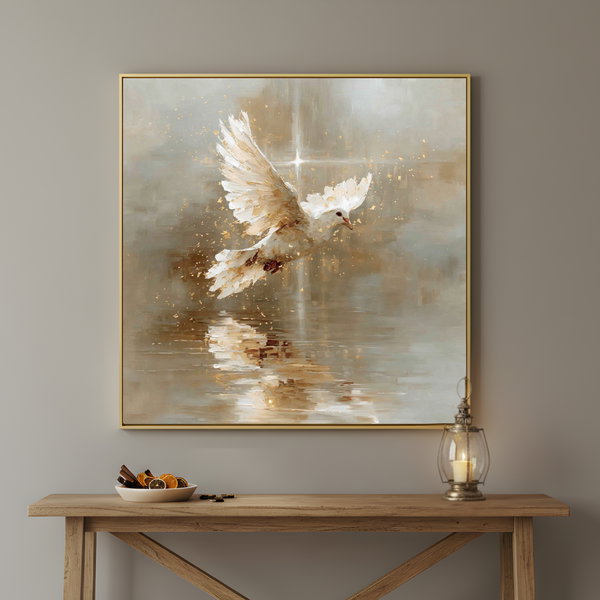
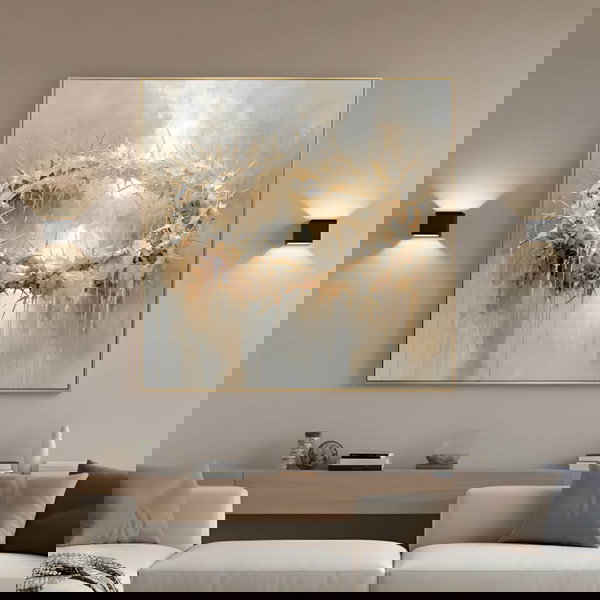
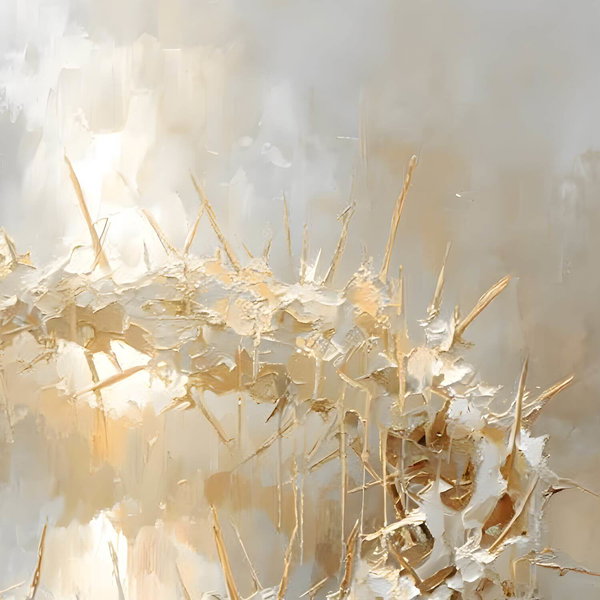
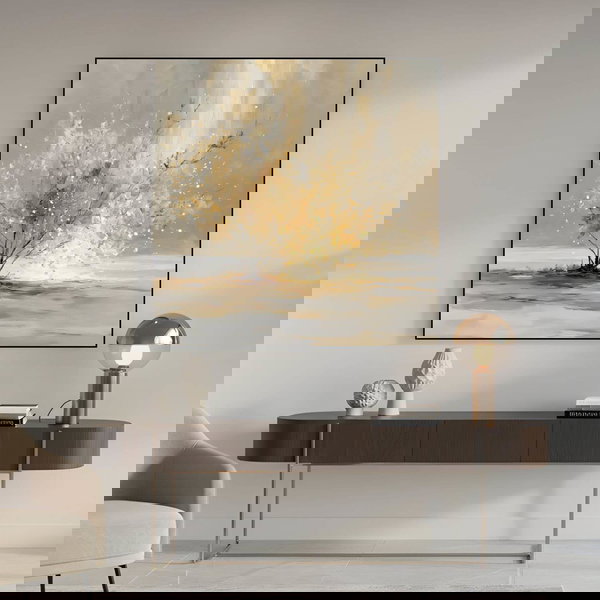
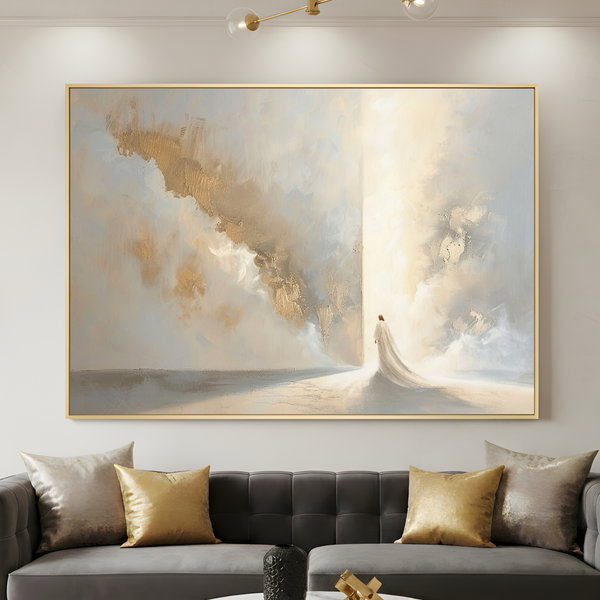
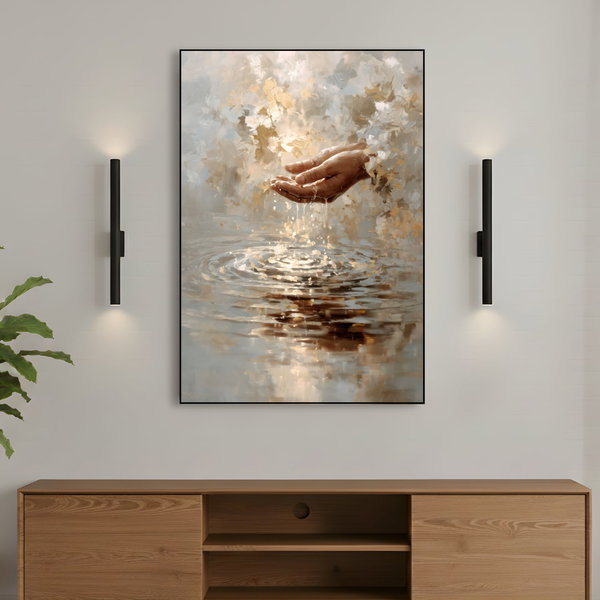
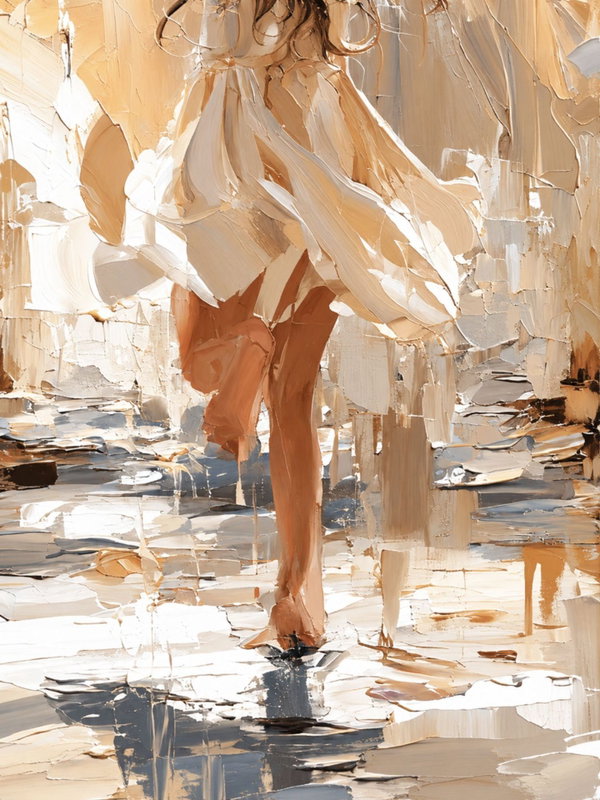
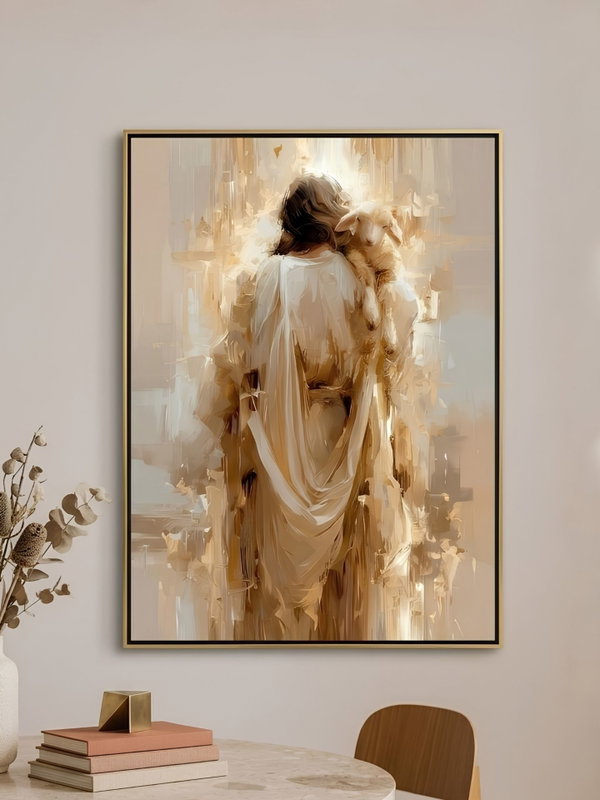
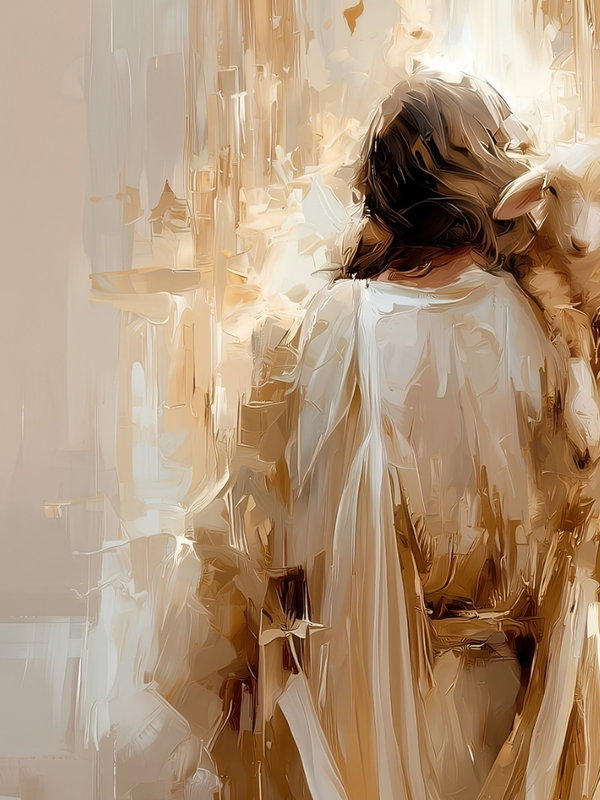
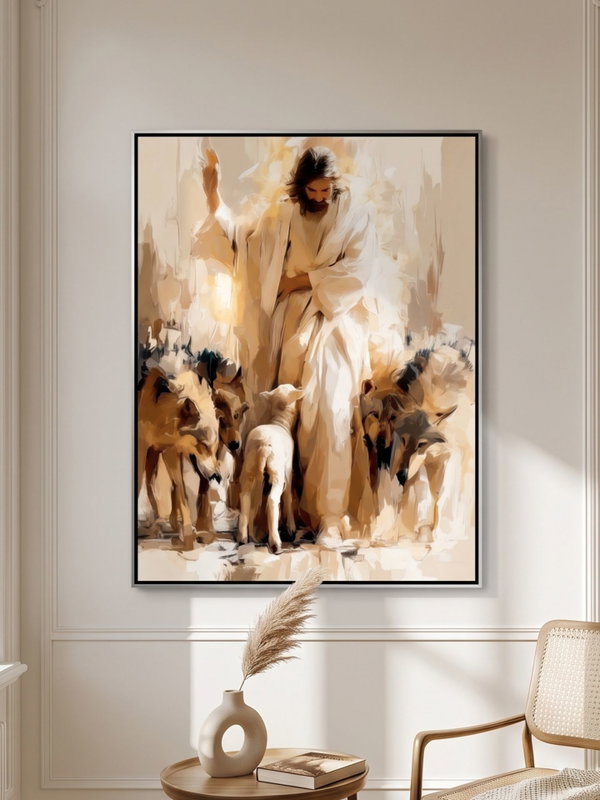
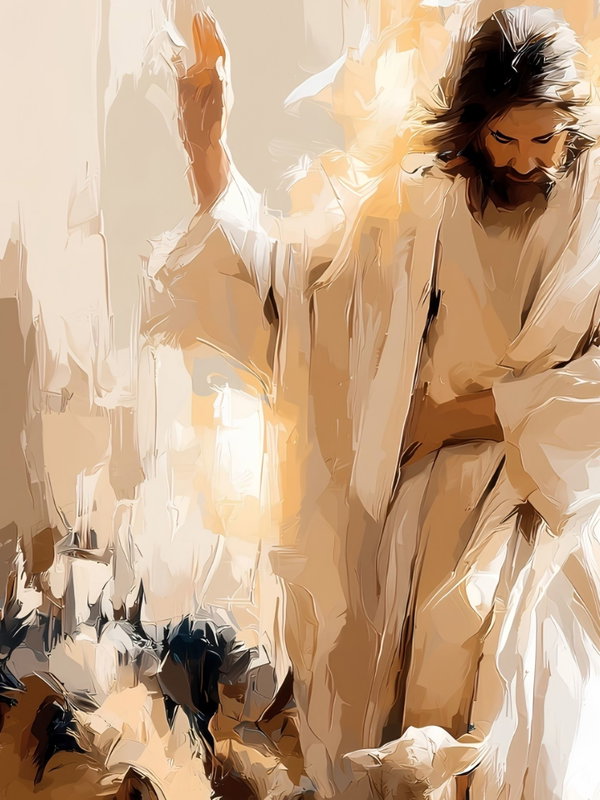
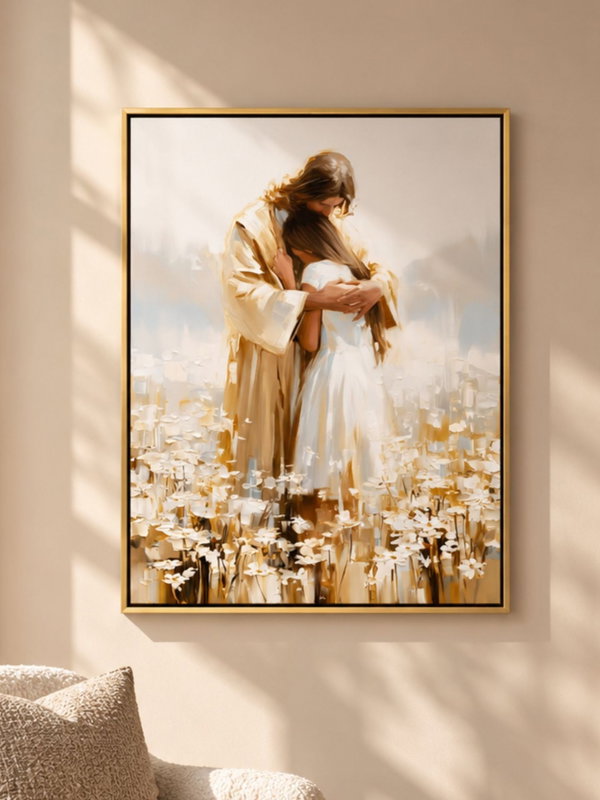
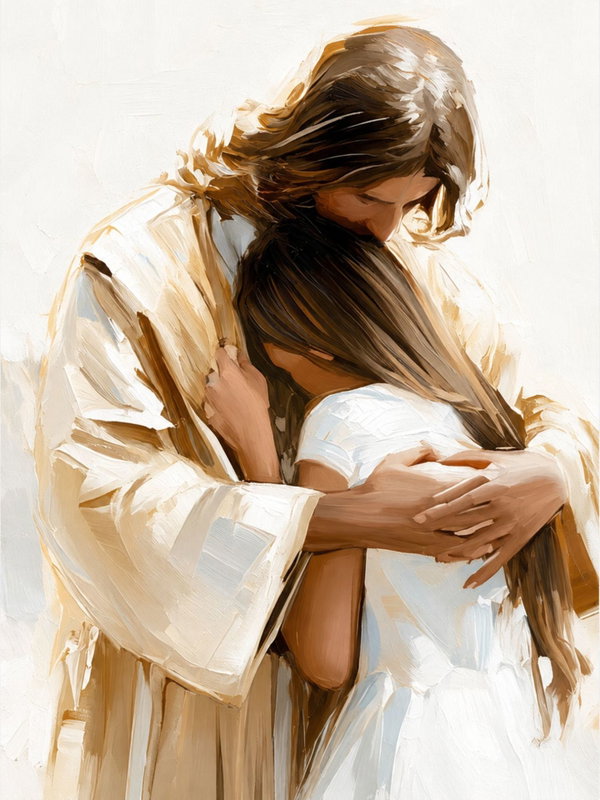
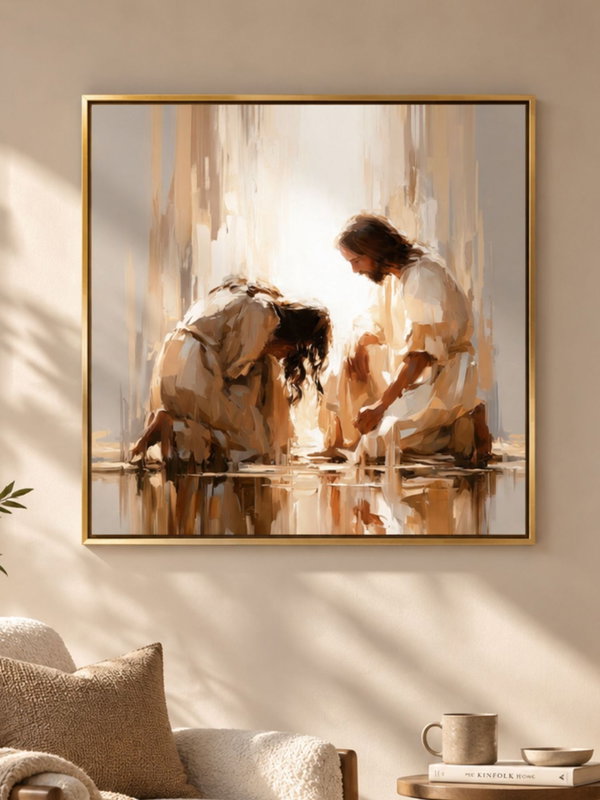
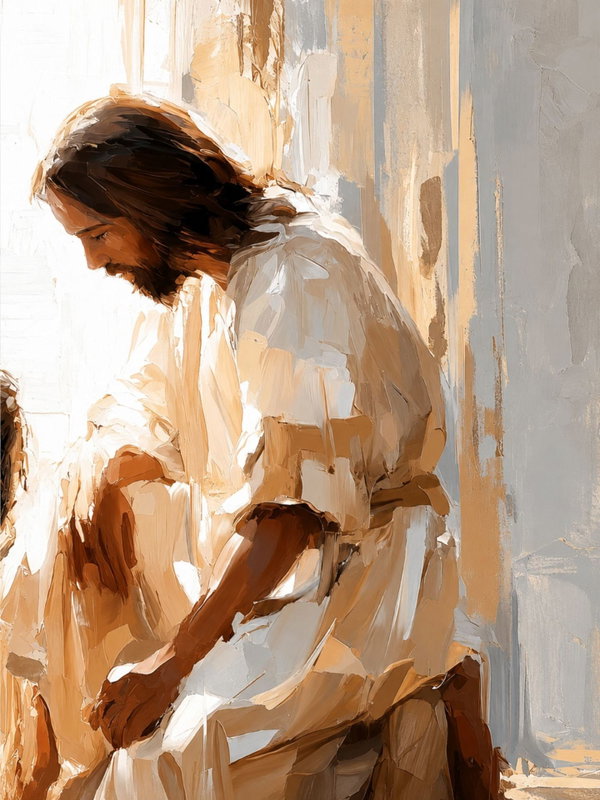
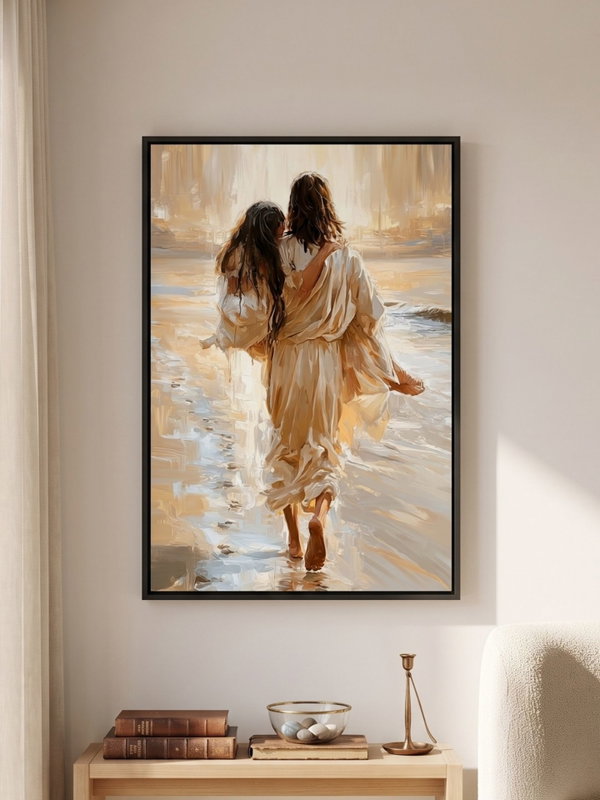
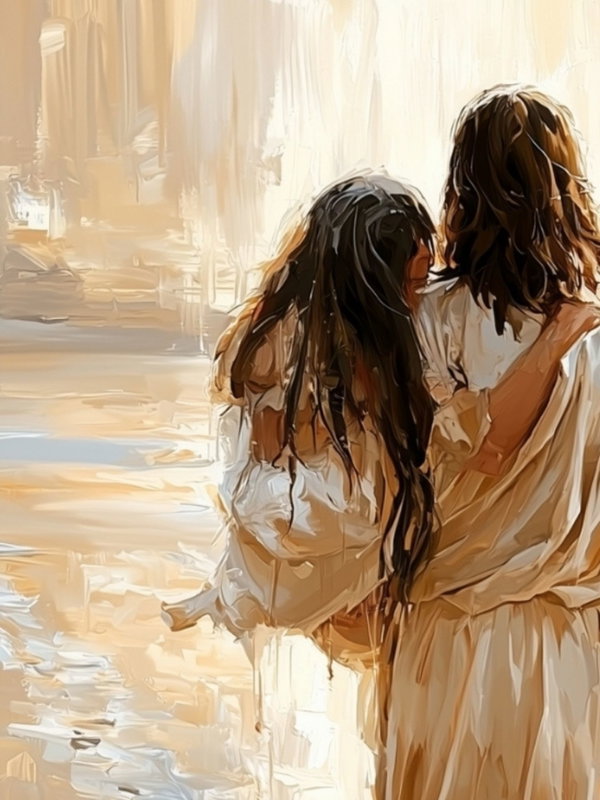
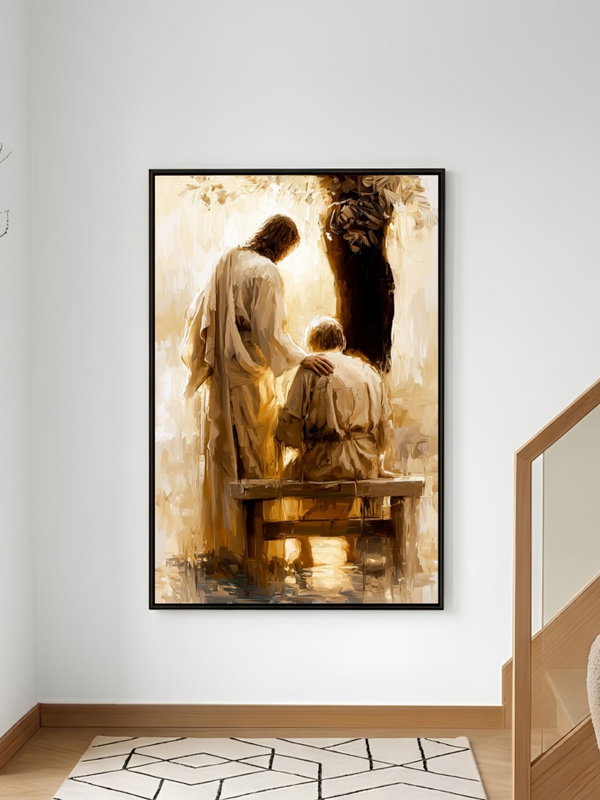
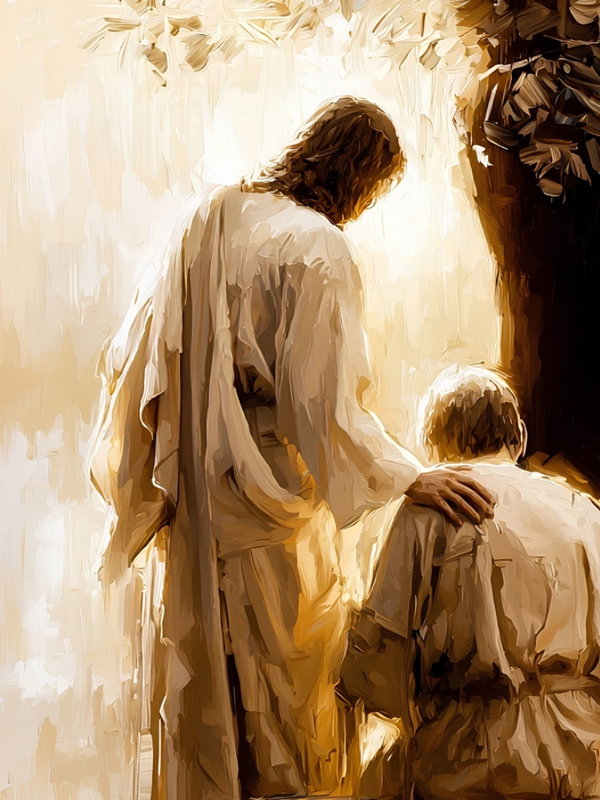
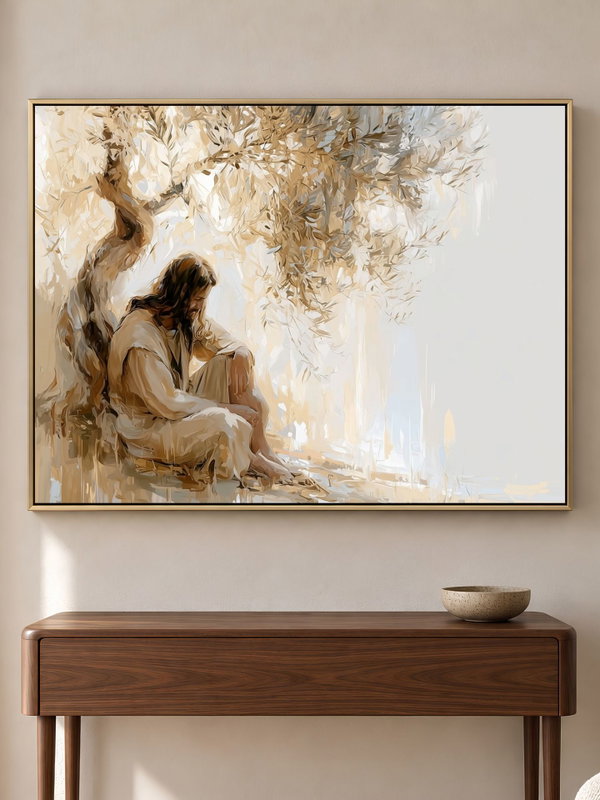
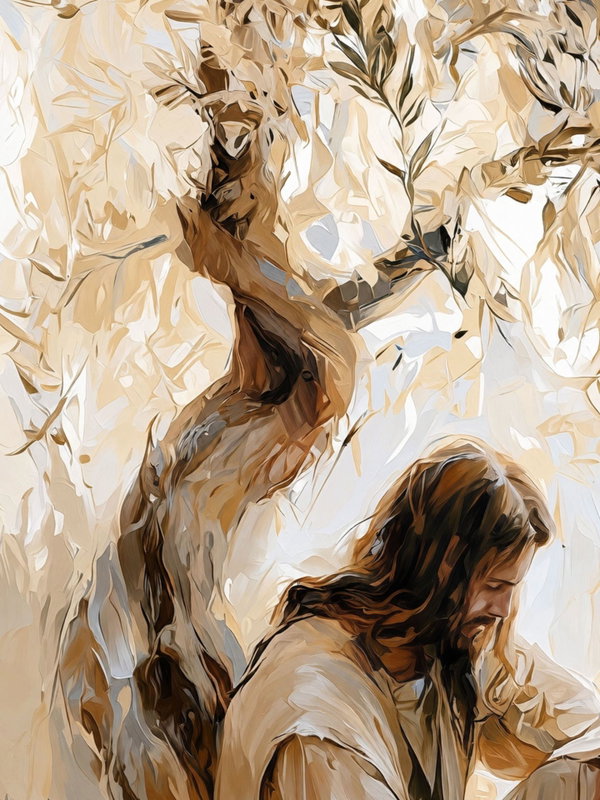
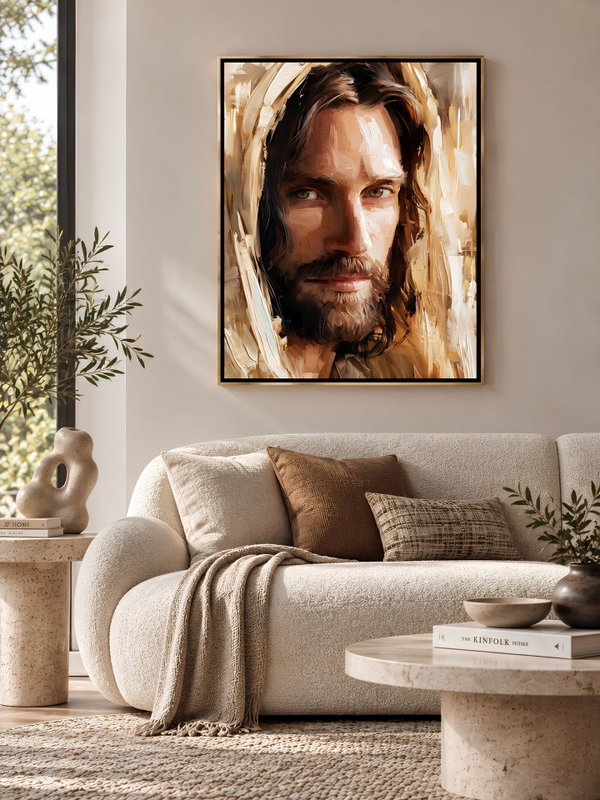
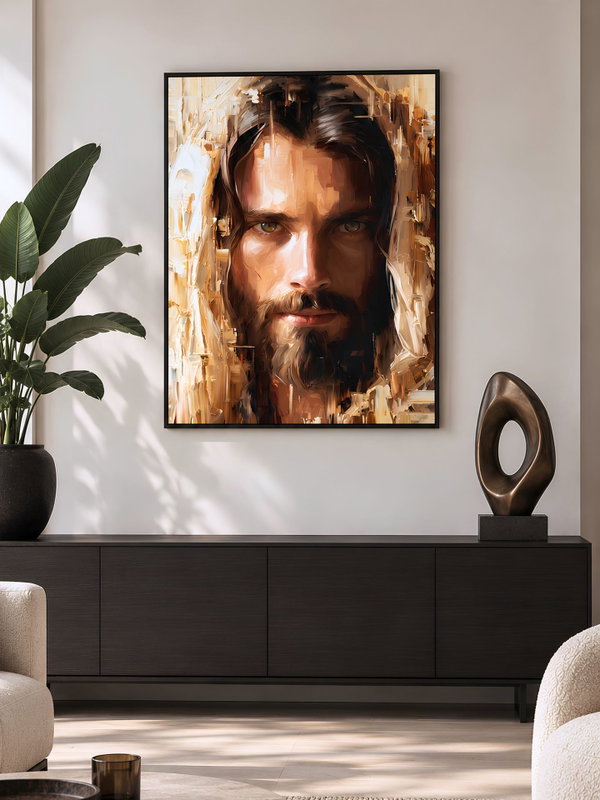
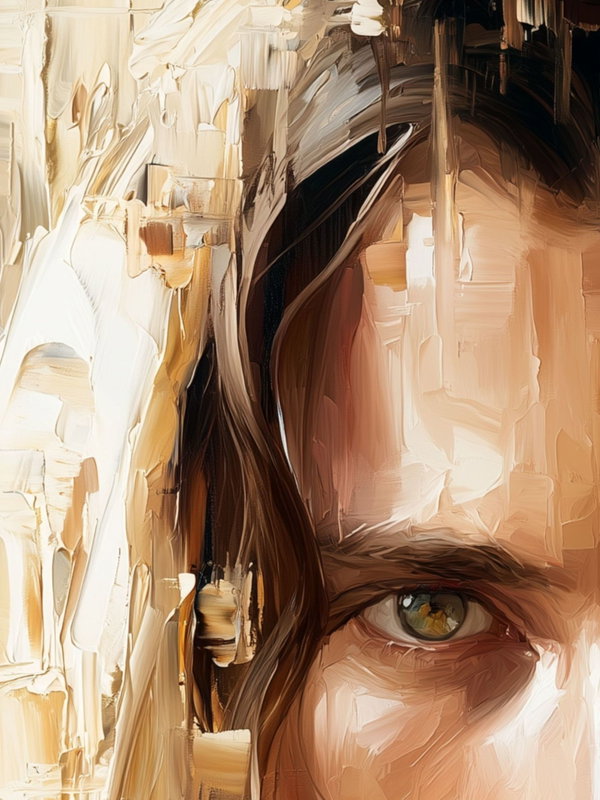
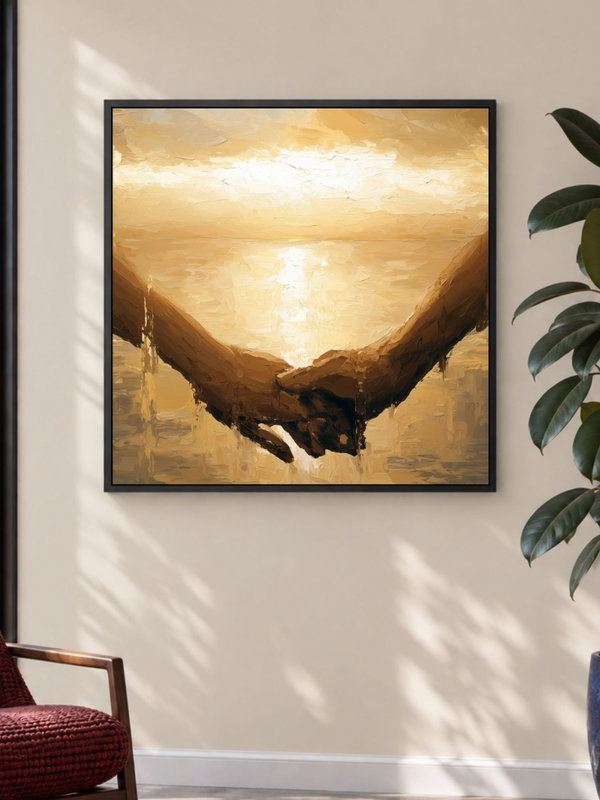
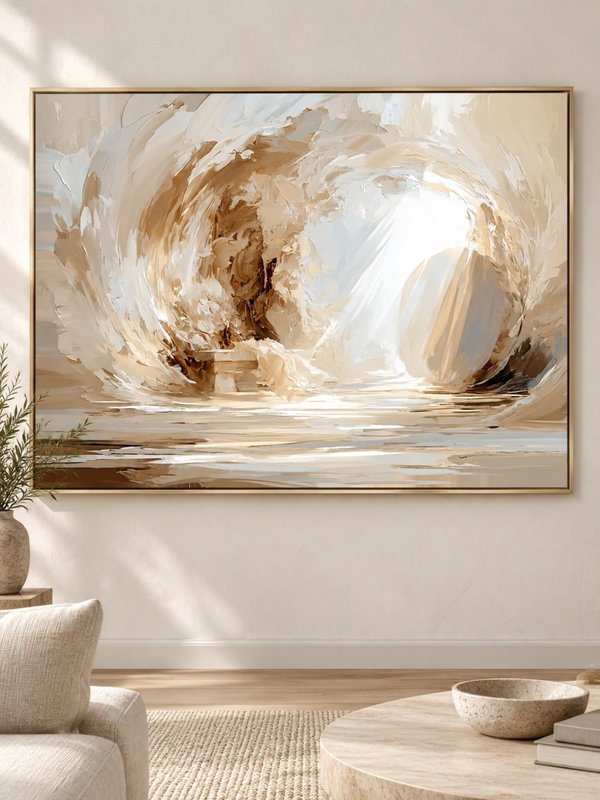
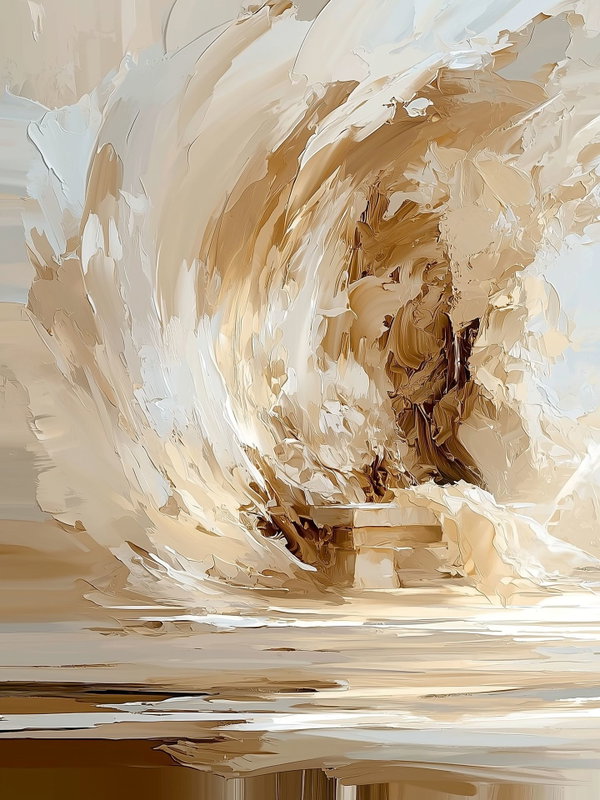
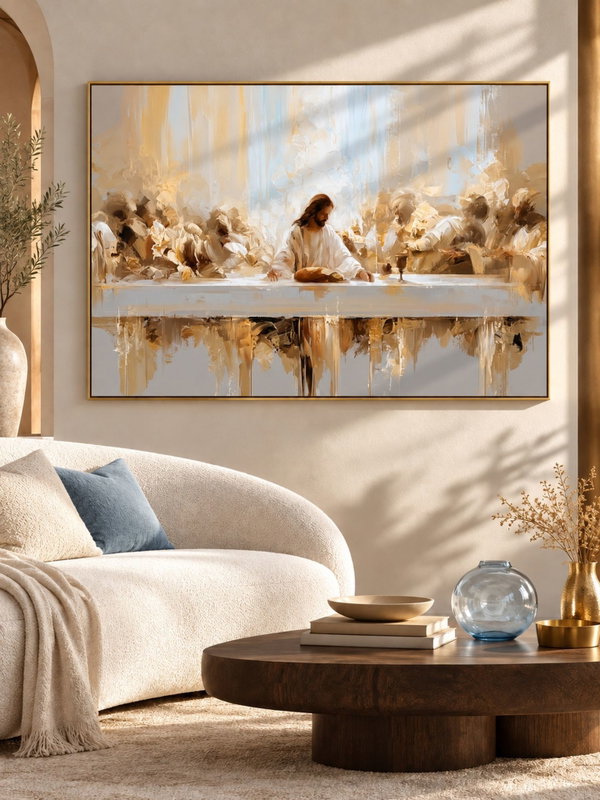
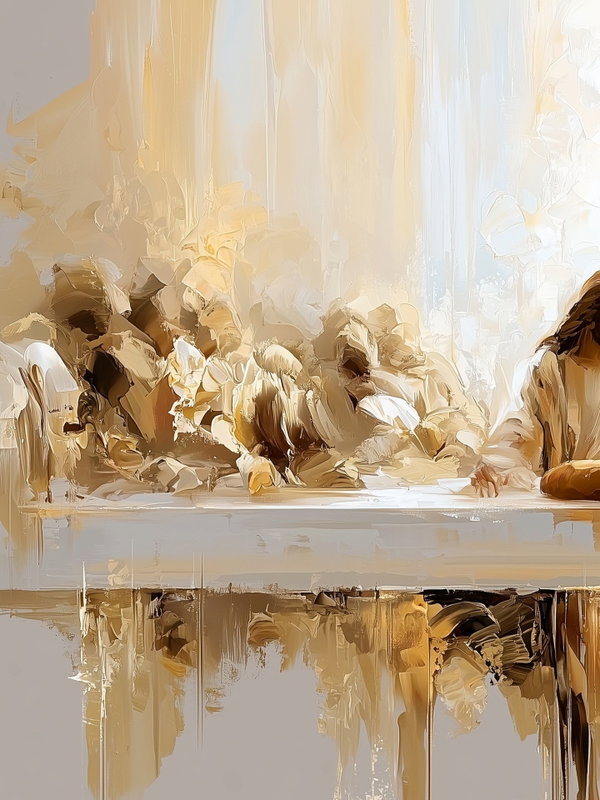
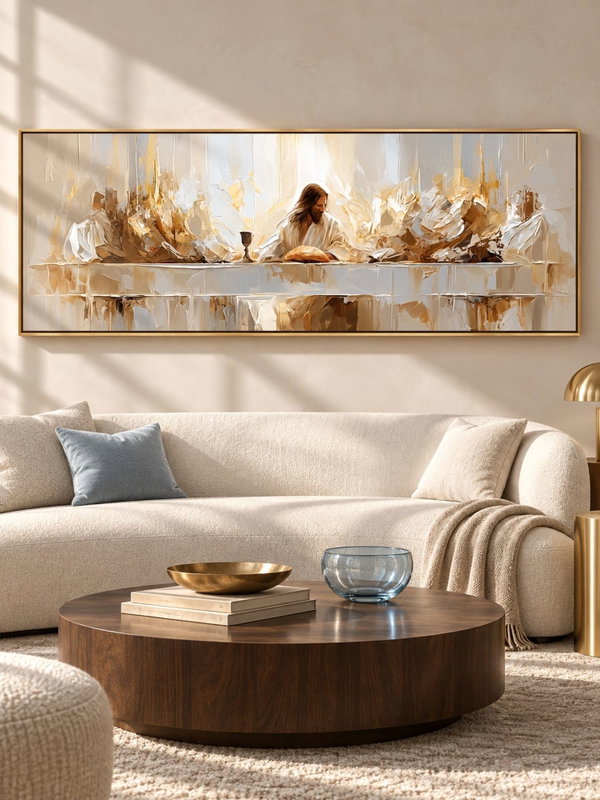
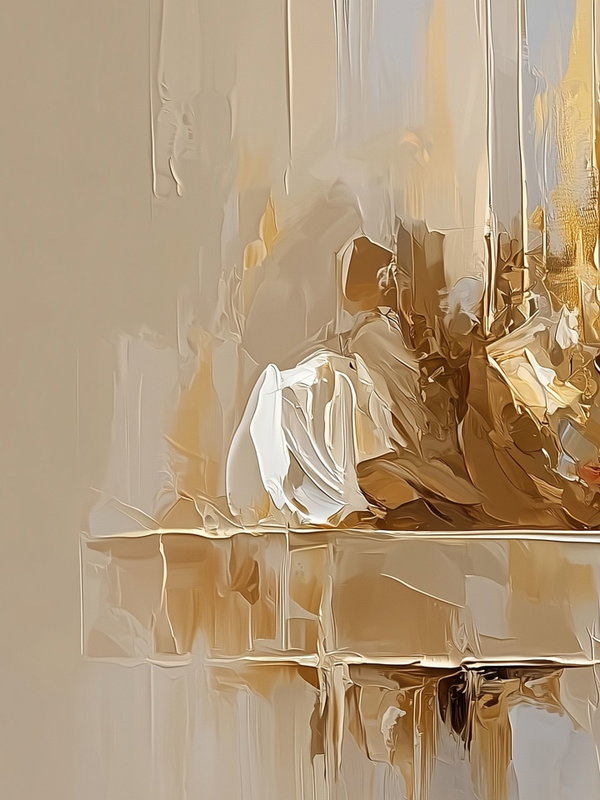
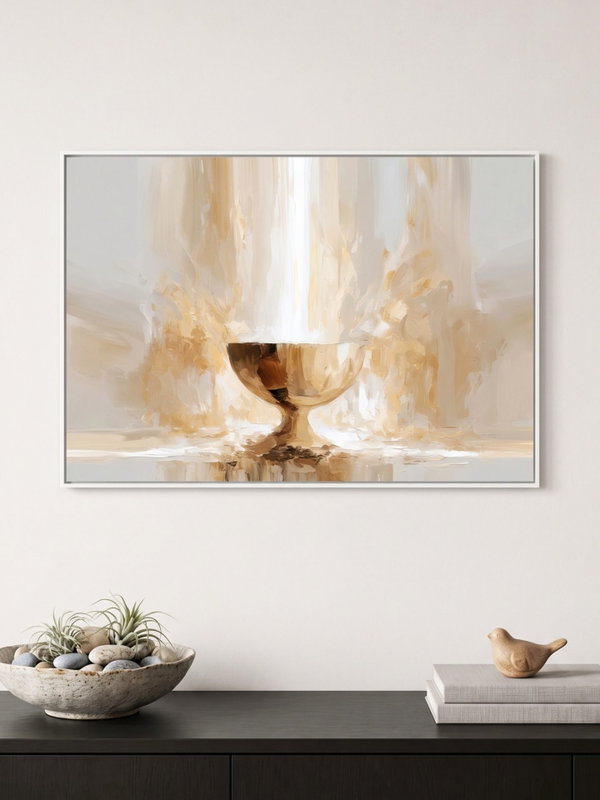
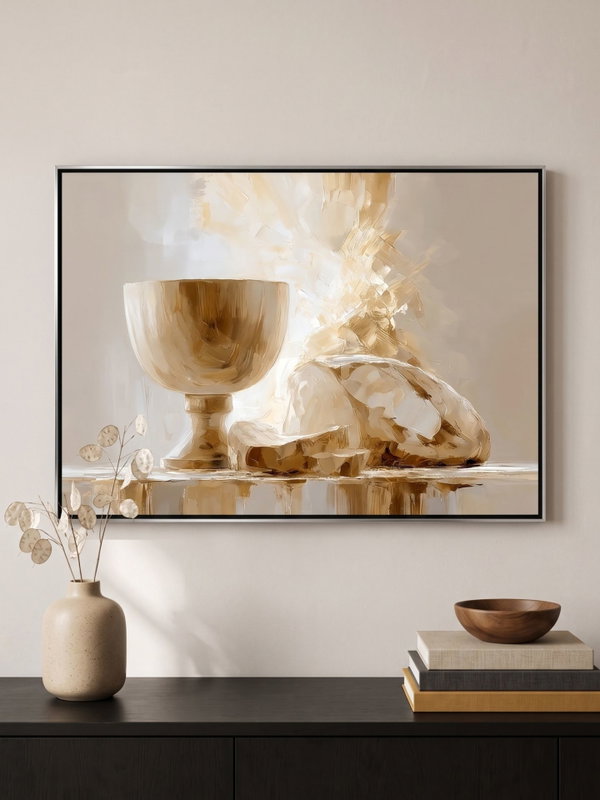
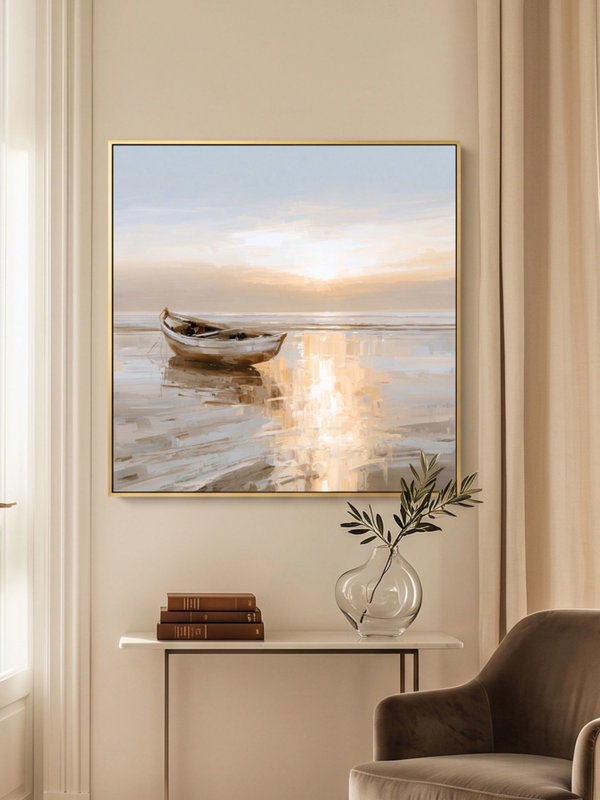
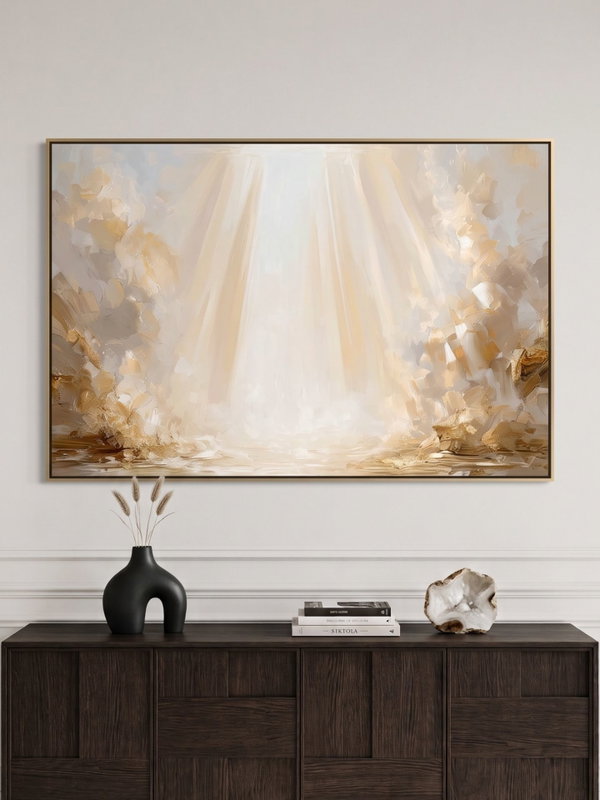
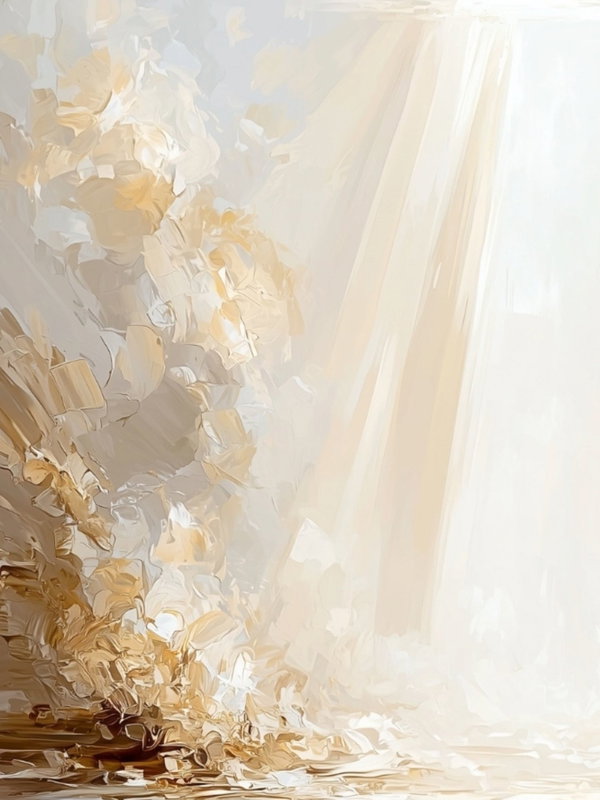
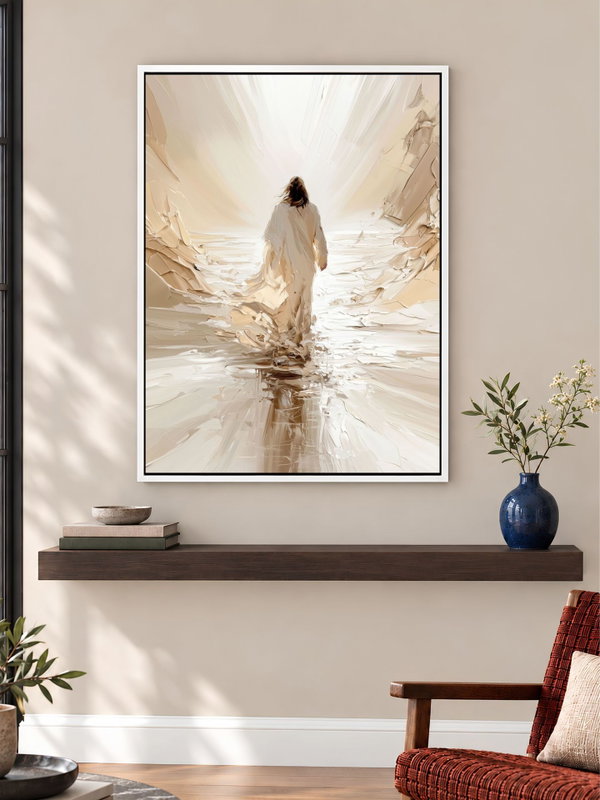
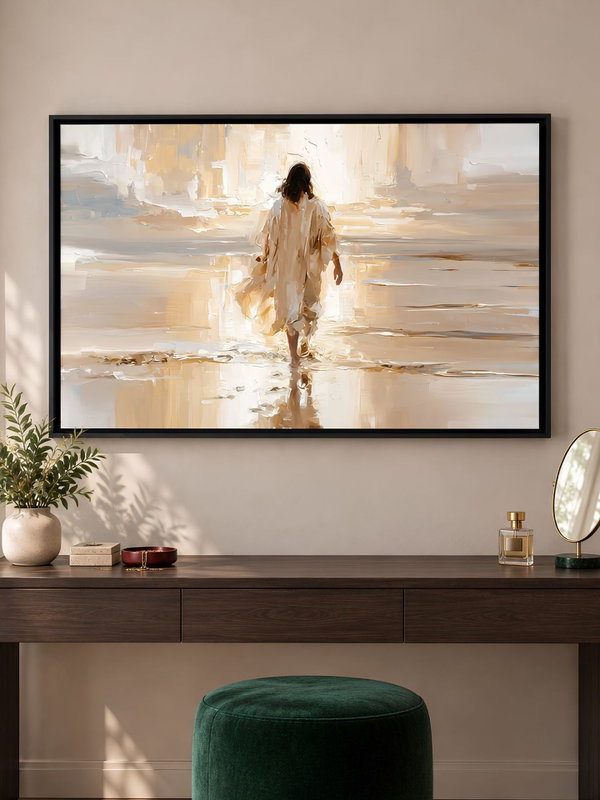
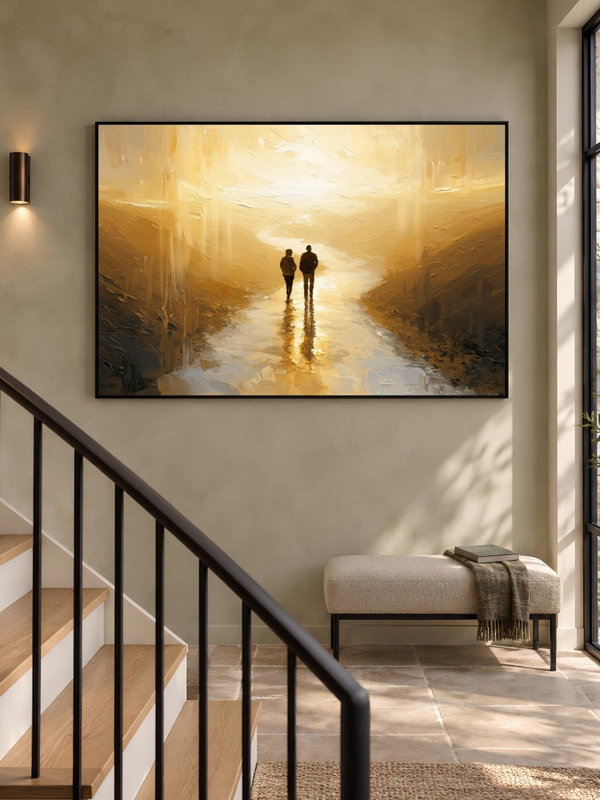
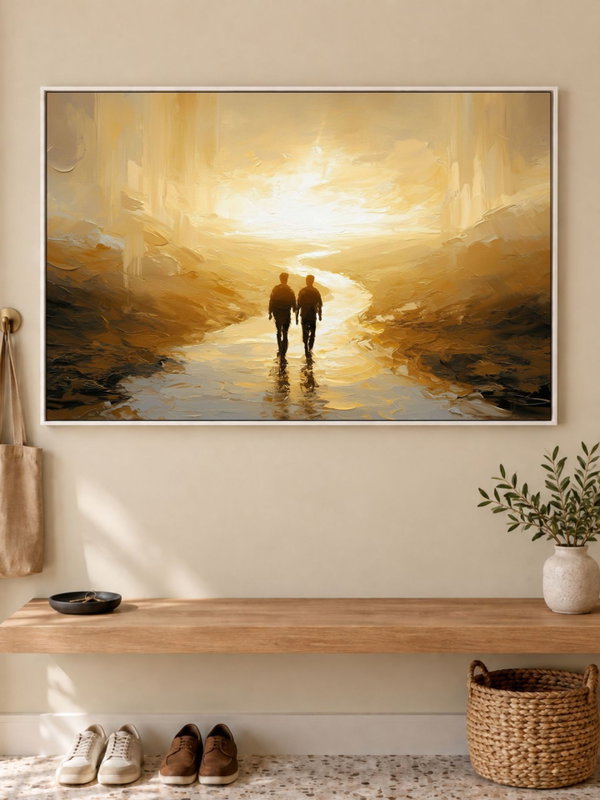
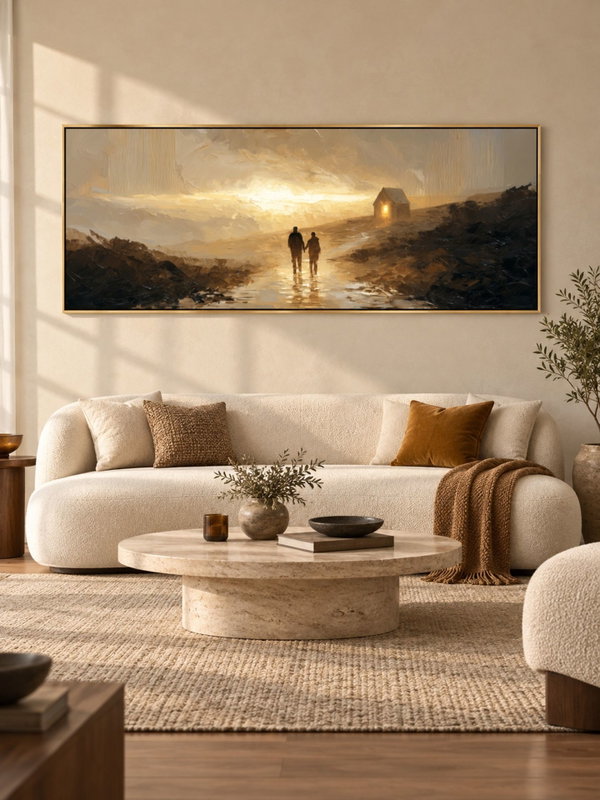
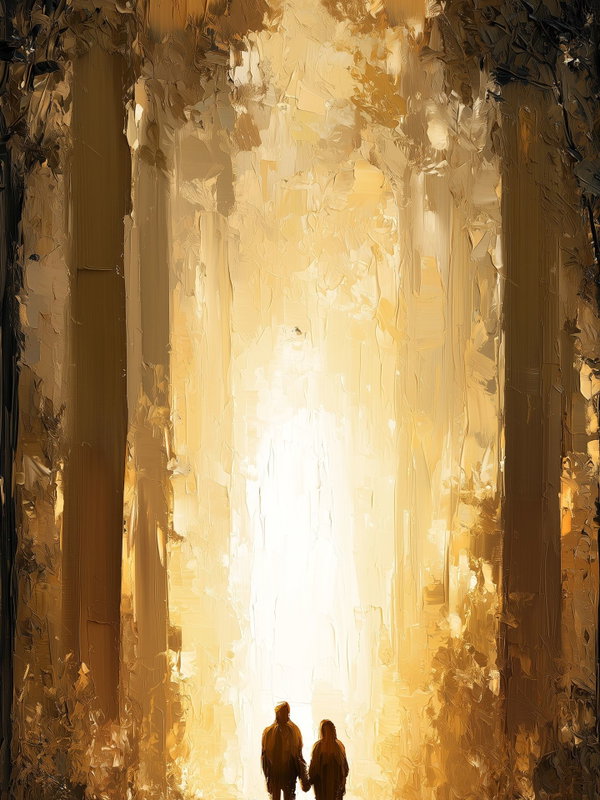
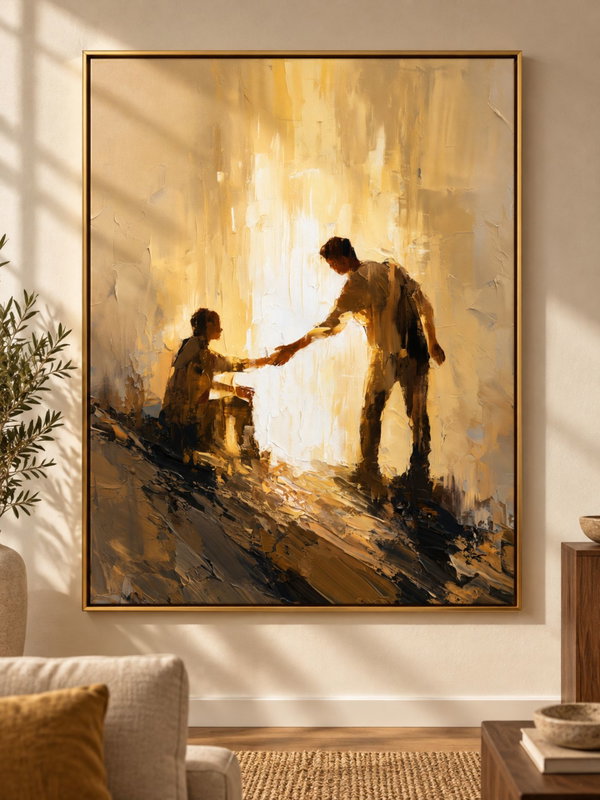
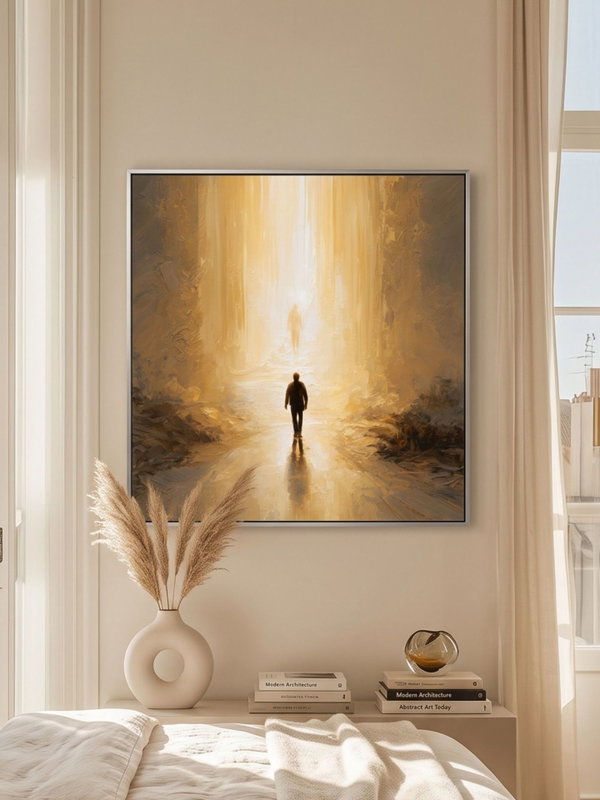
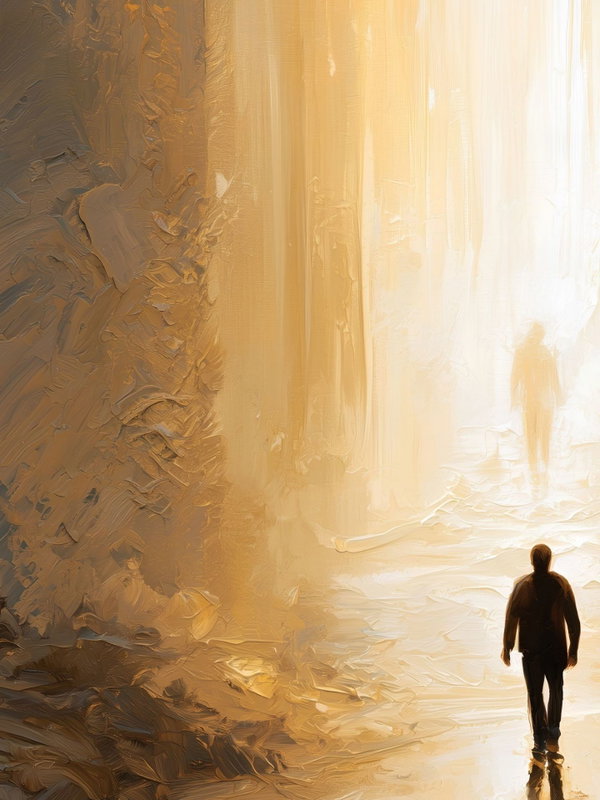
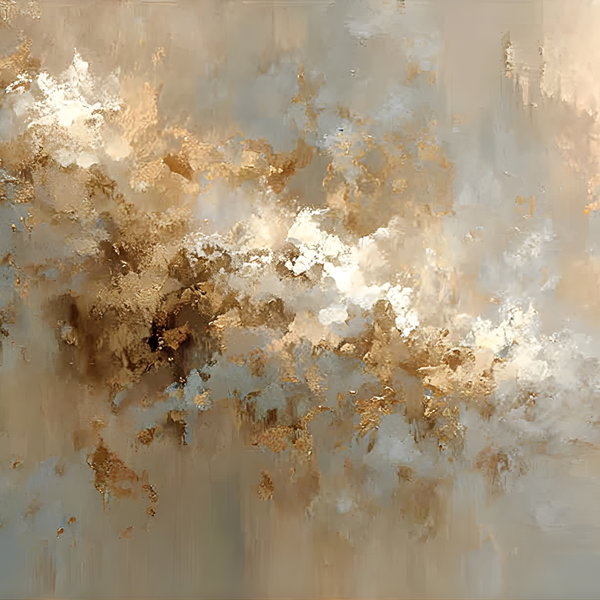
Elio Lumen combines Christian symbolism with contemporary minimalism. He paints understated, hand-painted works about what carries people through: hope, trust, farewell, and new beginnings. His paintings are created in acrylic using palette-knife techniques, matte neutral tones, and selective gold accents. Recurring symbols – a shaft of light, still water, a protective shepherd, a quiet dove, a wreath, an open path – are interpreted in a contemporary way: abstract enough to leave space, clear enough to touch something within. The tactile surface and the deliberate use of negative space create moments of mindfulness: artworks that ground, console, and make confidence tangible.
 
19 products
Close filters
  •  
  •  
  •  
  •  
  •  
  •  
  •  
  •  
  •  
  •  
  •  
  •  
  •  
  •  
  •  
  •  
  •  
  •  
  •  
  •  
  •  
  •  
  •  
  •  
  •  
  •  
  •  
from to
from to
No results were found for the filtering!
Elio Lumen: Faith, minimally conceived – made visible

How did it all begin?

For a long time, I lit stage sets. After one rehearsal, the house lights stayed off, and only a narrow beam fell onto an empty surface – suddenly I saw a path in it, a kind of “beyond this.” Shortly afterwards, a friend died. I realised how much people need images that quietly say: “You can bear this. It will go on.” Out of this mixture of light, stillness, and farewell, my first paintings emerged.

Why the artist name “Elio Lumen”?

“Elio” sounds like sun, “Lumen” like light. That is exactly what matters to me: not figures that “prove” something, but light as direction. When a strip of brightness cuts through a surface, when water becomes calm, or a narrow wreath shape gathers the gaze – space opens up for hope, without big words.

Why use Christian imagery – and yet keep it modern?

Many symbols are anchored within us, even if we do not visit church: path, water, wreath, dove, shepherd, empty tomb. I use them in a reduced way – as universal signs for comfort, new beginnings, belonging. I am not interested in the historical aspect but in the present: What helps me now to breathe and keep going? That is why I avoid pathos and tell stories with calm, surfaces, and light.

What sets your works apart from classical church paintings?

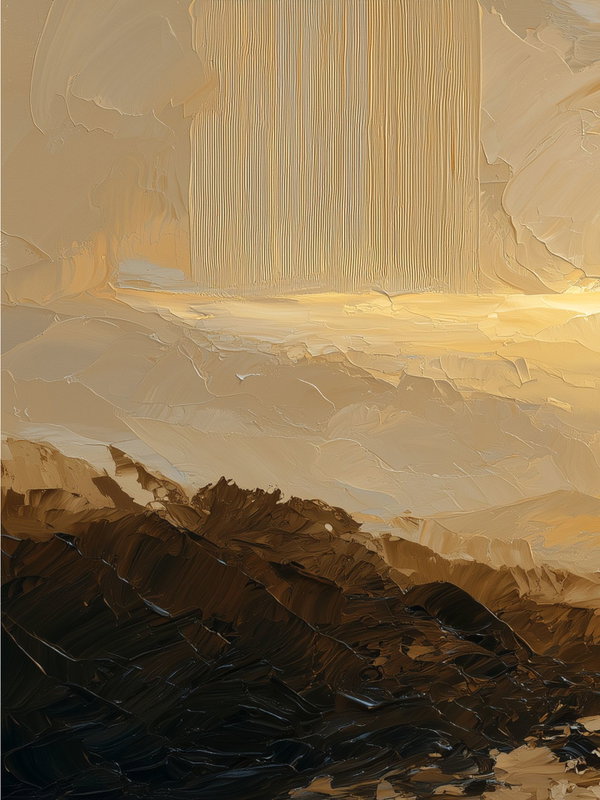
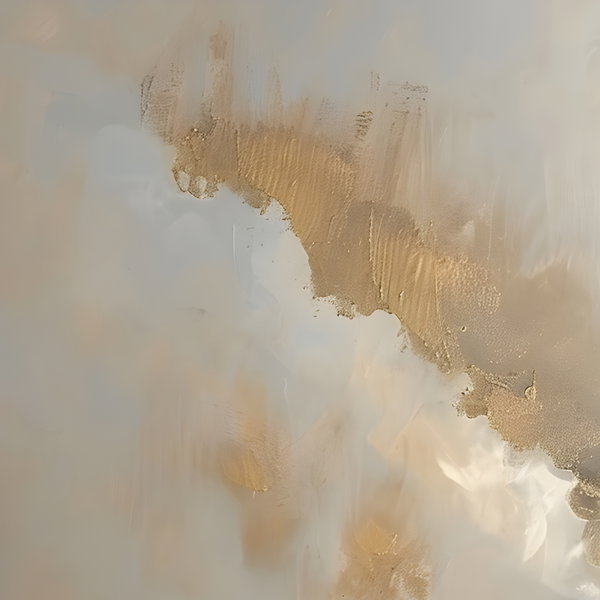
No illustration, no gold shine as pomp, no overload. I work with matte neutral tones, negative space, rough palette-knife traces, and very deliberate gold – more as a quiet accent. The paintings are not meant to dominate but to accompany. They work like a short, good sentence: clear, calm, and reliable.
What should the paintings trigger?

A short, good moment in the day. One glance, one breath, a small piece of confidence. If someone says: “I can sleep again”, “I had that conversation”, “I believe it will be okay” – then the painting has done what I painted it for.

YOUR LAST VIEWED UNIQUE EXAMPLES