How Abstract Art is Transforming Contemporary Interiors

How Abstract Art is Transforming
Contemporary Interiors

Abstract art has taken the world of contemporary interior design by storm. No longer a gallery staple, it has found its way into homes, offices, and commercial spaces, redefining aesthetics and ambiance. But why is abstract art so popular in modern interiors? Let’s dive into its growing influence and how it’s reshaping the way we design our spaces.

The Appeal of Abstract Art in Modern spaces

The Emotional impact of Abstract Art

Abstract art is more than just splashes of color and random shapes-it evokes emotion. Unlike traditional paintings that depict recognizable subjects, abstract pieces allow viewers to connect with them on a personal level. Whether it’s a bold red canvas that exudes passion or soft blues that create a soothing atmosphere, abstract art speaks to everyone differently.

The Versatility across styles

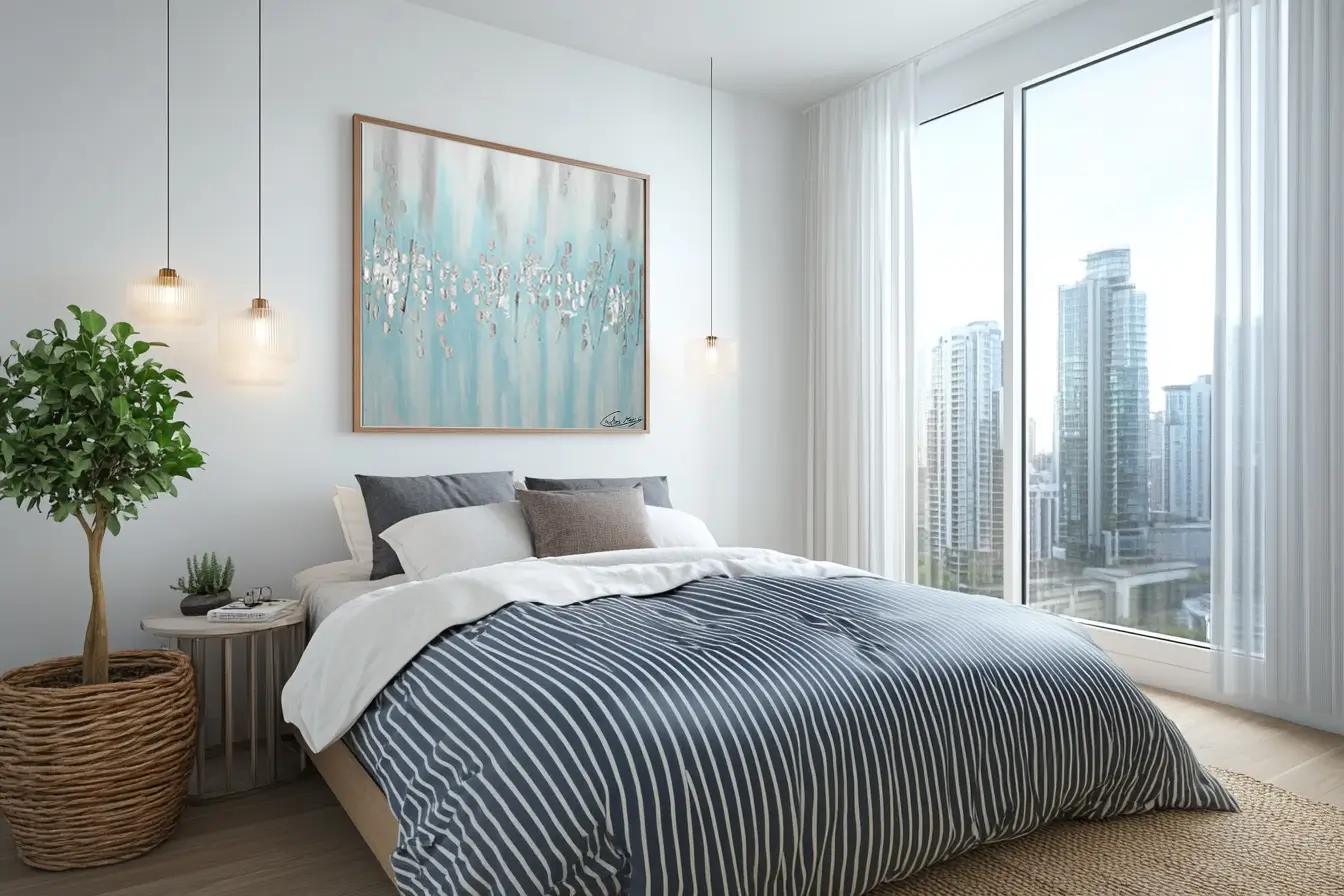
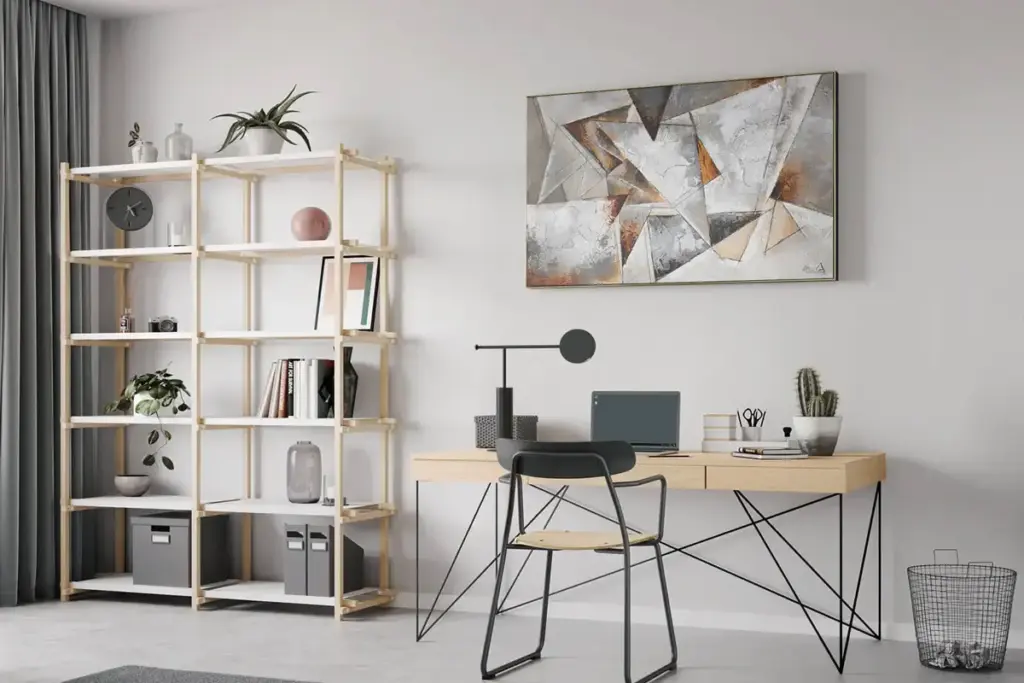
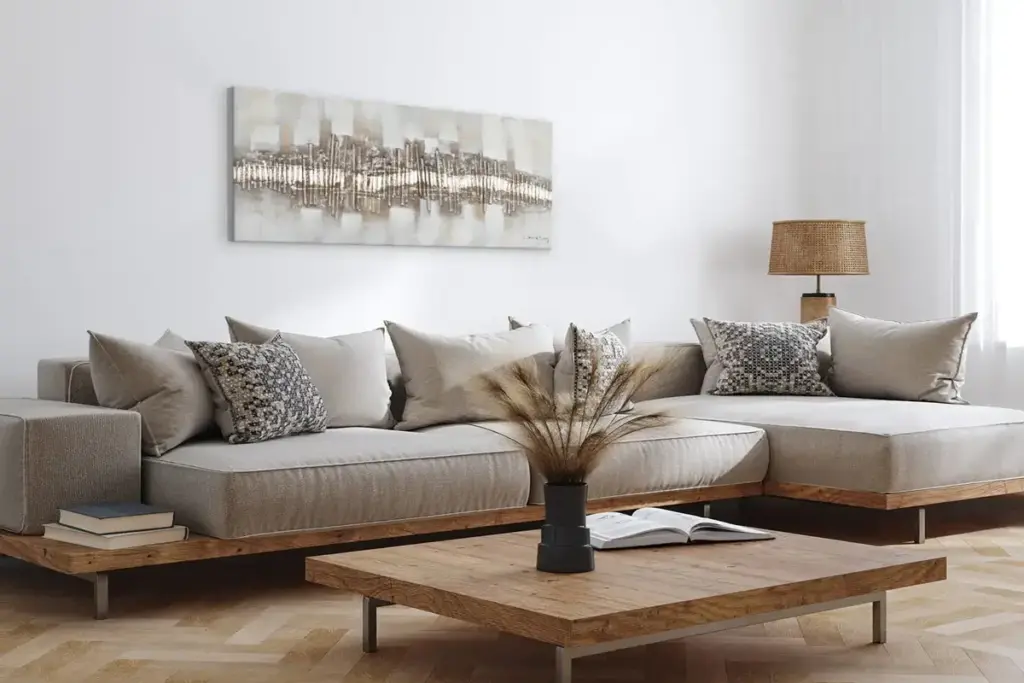
One of the biggest reasons abstract art works so well in contemporary interiors is its adaptability. Whether your home is minimalist, industrial, Scandinavian, or even bohemian, abstract art integrates seamlessly with different styles to enhance the overall vibe.

The Freedom to Interpret

Abstract pieces don’t tell you what to think-they invite interpretation. This open-ended nature makes them great conversation starters and adds an element of mystery and depth to any space.

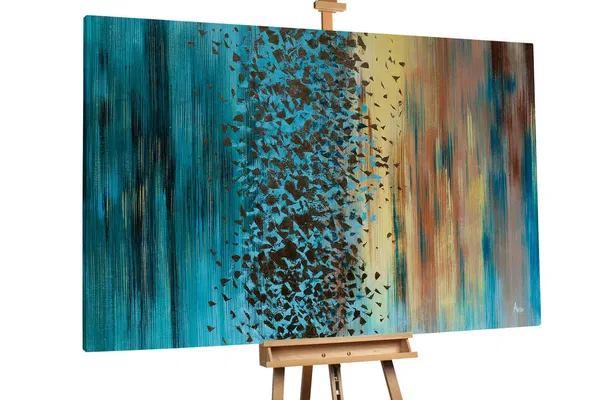
OTHER ABSTRACT PAINTINGS FROM KUNSTLOFT

How Abstract Art Complements Contemporary Interiors

Creating a Focal Point

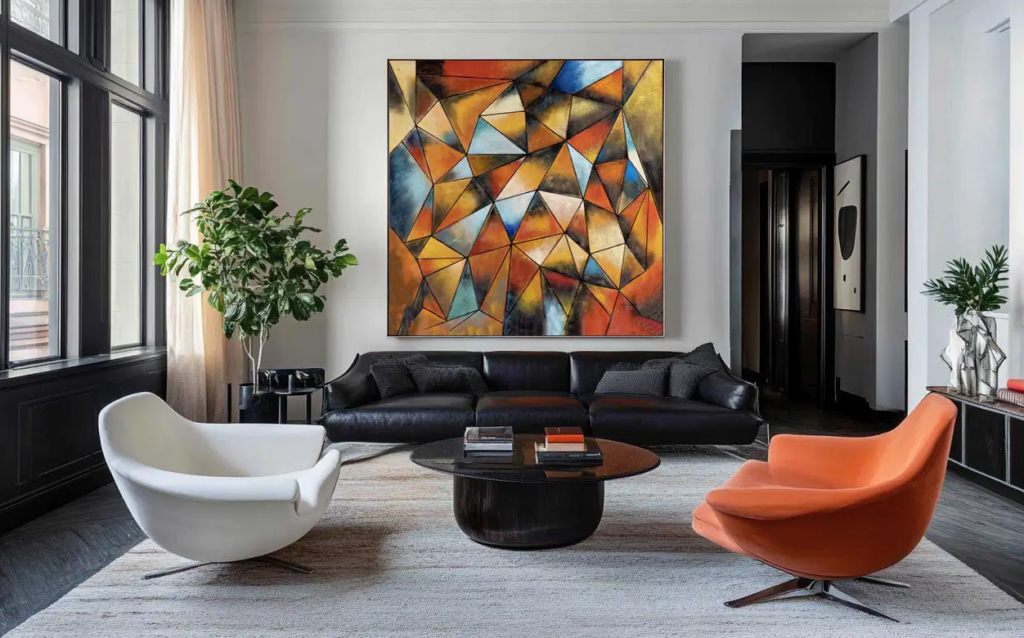
A large abstract painting can act as the centerpiece of a room, drawing attention and setting the tone. It eliminates the need for excessive decoration while still making a statement.

Enhance Minimalist spaces

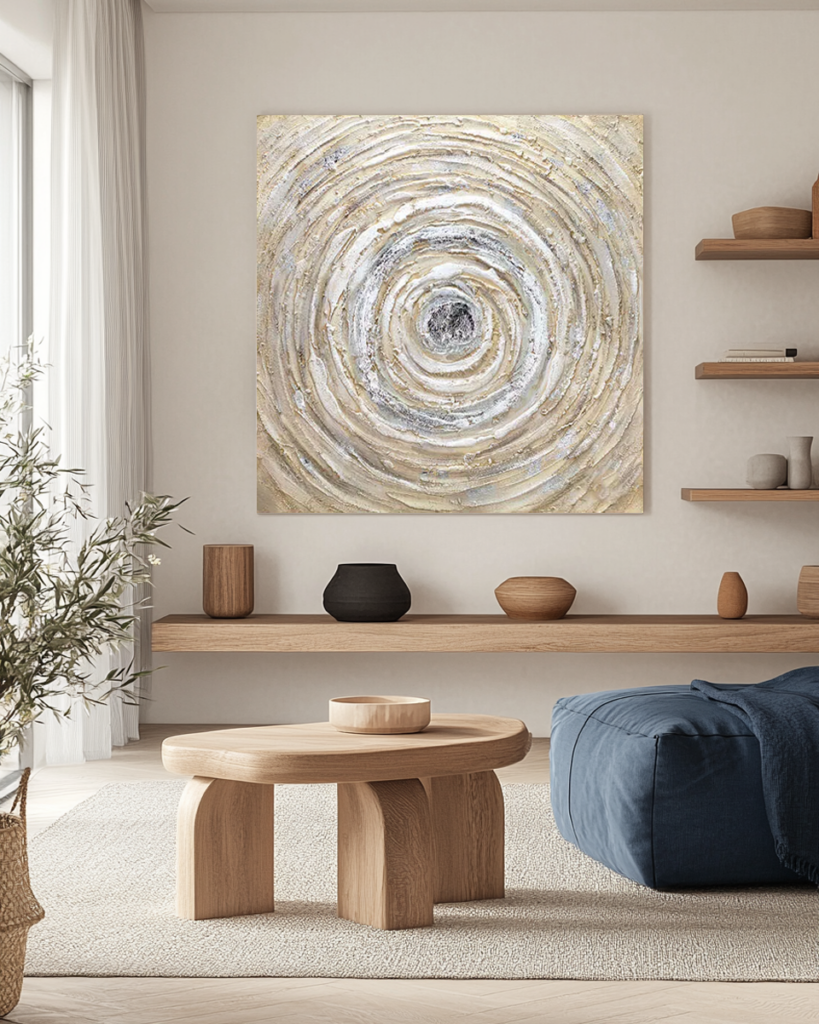
Minimalist interiors often rely on neutral colors and simple furnishings. Abstract art adds contrast and interest without disrupting the clean aesthetic. 

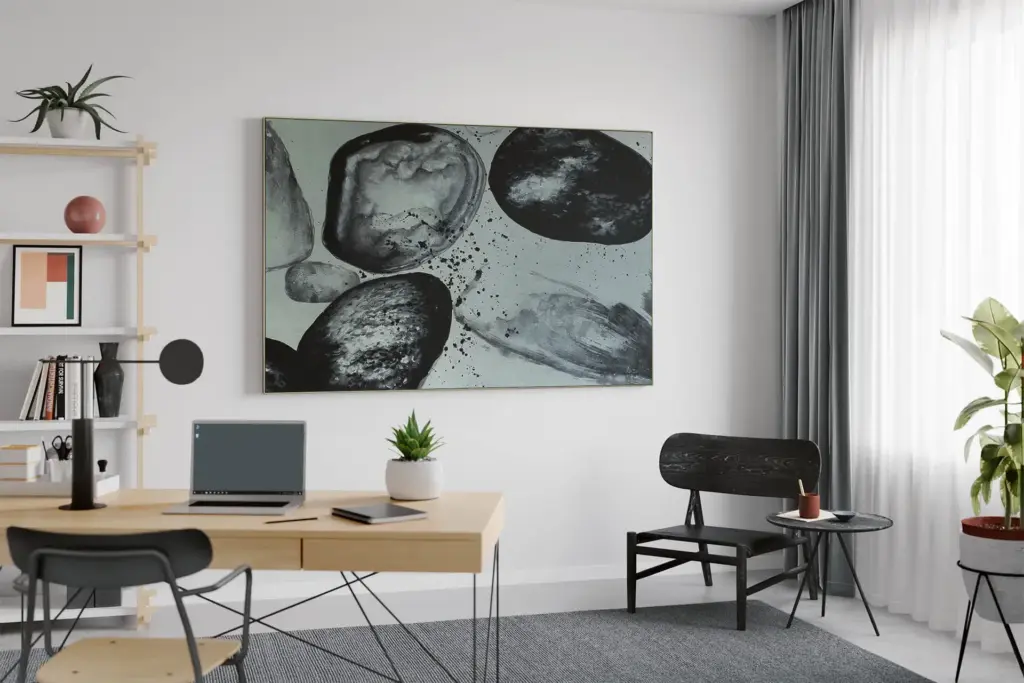
A monochromatic abstract painting, for example, can add sophistication without overwhelming the space.

Add Depth and Texture

From textured canvases to mixed media pieces, abstract art adds an extra layer of visual interest to a room. It keeps rooms from feeling flat and uninspired.

Choosing the right abstract art for your space

Understanding color psychology is key when choosing abstract art for your space, as color affects mood – warm tones like red, orange, and yellow create energy, while cooler hues like blue, green, and purple promote relaxation. Selecting artwork that matches the desired mood can transform a room’s ambiance. Equally important is the proper scale of the artwork; a small abstract piece can be lost on a large wall, while an oversized piece can be overwhelming in a small space. Finding the right balance ensures that the artwork enhances the space rather than disrupting it. 

In addition, abstract art should harmonize with other decor elements. If the artwork is bold and vibrant, pairing it with neutral furniture will prevent visual clutter, while a more subtle piece can be complemented with statement furniture or accessories to maintain a dynamic yet cohesive aesthetic.

DIFFERENT TYPES OF COLORED ABSTRACT ARTWORK FOR YOUR SPACE

The Influence of Abstract Art on Luxury Interiors

High-end Art as a status symbol

Luxury homes often feature exclusive, one-of-a-kind abstract artwork. Art collectors and interior designers use such pieces to showcase personal taste and enhance the sophistication of a space.

Custom Commissions for unique interiors

More and more homeowners are opting for commissioned abstract art that is tailored to their space and aesthetic for a truly unique touch.

Abstract Art trends in Contemporary Homes

Oversized Murals and Canvas Art

Oversized wall art is becoming a dominant trend in contemporary interiors, often replacing traditional wallpaper or decorative wall panels. These large pieces serve as statement pieces that draw the eye and set the tone for the entire room. Whether it’s a hand-painted mural or an expansive canvas, these works of art add depth, personality and a sense of sophistication to modern interiors.

Monochrome vs. Bold Color Choices

Abstract art comes in a wide range of color schemes, with some homeowners opting for monochromatic pieces to create a simple, minimalist aesthetic. Black and white abstracts have a timeless appeal and blend seamlessly with neutral interiors, while vibrant, bold pieces add energy and contrast to a space. The choice between monochrome and bold color ultimately depends on the mood you want to create and how the artwork interacts with other design elements in the room.

Digital and Mixed Media Artwork

Advances in technology have expanded the possibilities of abstract art, with digital creations and mixed media pieces gaining popularity in contemporary homes. Digital artwork offers endless customization options, allowing homeowners to experiment with colors, patterns, and styles that match their vision. Mixed media artwork, which combines elements such as paint, texture and digital printing, adds a multidimensional quality to interiors, making them more engaging and visually appealing.

Discover unique handmade Abstract Art at KUNSTLOFT

If you’re looking for one-of-a-kind, handcrafted abstract art, KUNSTLOFT offers a stunning collection of original paintings, mixed media pieces, and sculptures created by talented artists. Each piece is unique and will add personality and sophistication to any contemporary interior. Whether you prefer bold statement pieces or subtle, textured designs, you’ll find something to complement your space.

Want early access to exclusive promotions and the latest arrivals? Sign up for our newsletter and be the first to discover new art collections tailored to your style!

Frequently Asked Questions

Framing abstract art depends on the style of the artwork and your decor. A sleek, minimal frame (such as a thin black, white, or metallic frame) works well for contemporary spaces, while a floating frame can add depth without distracting from the artwork. For bold, large-scale pieces, a frameless canvas is often the most effective. When displaying, position the artwork at eye level – typically about 57-60 inches from the floor. When placing multiple pieces, consider a gallery-style arrangement with consistent spacing to create a cohesive look.

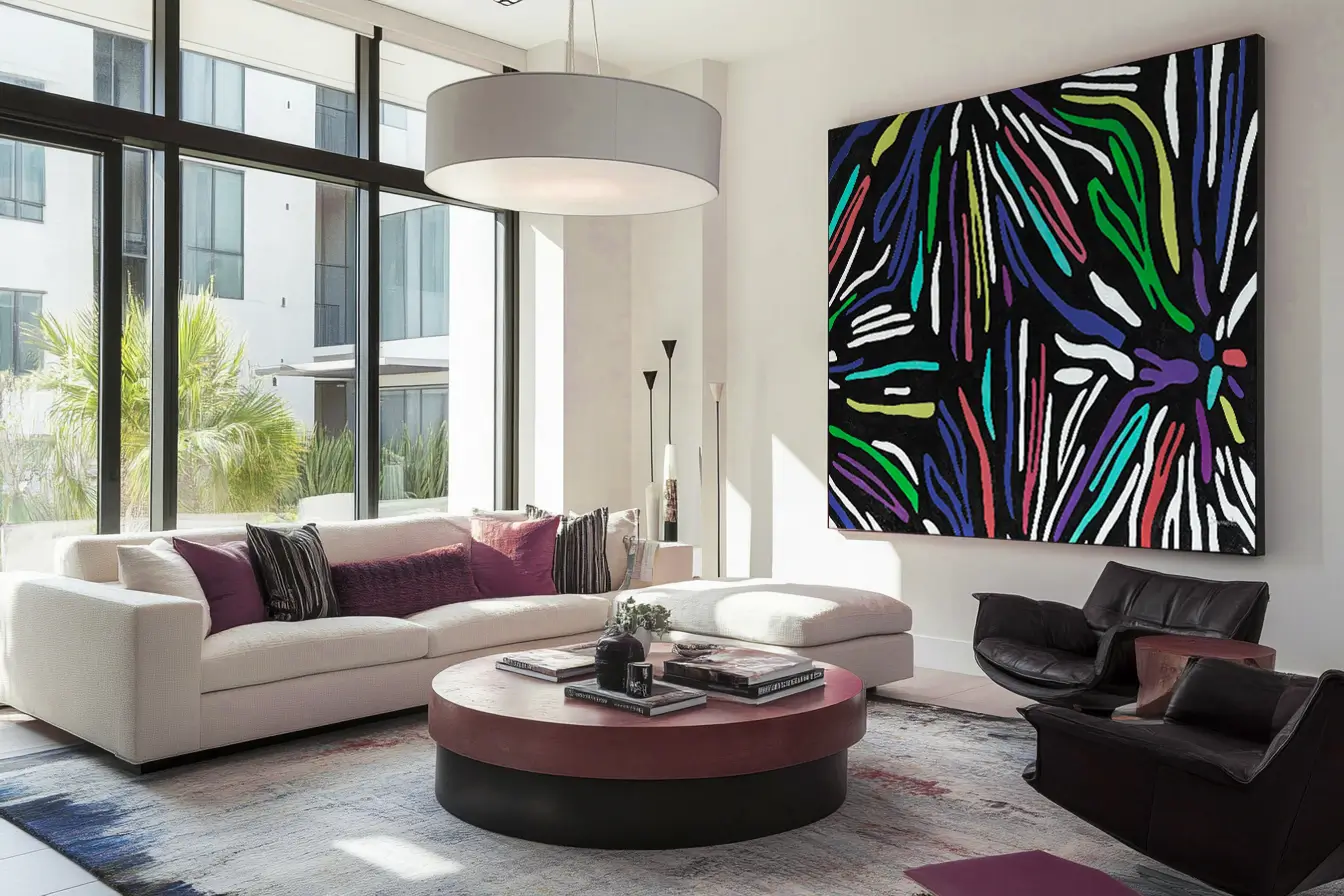
Lighting plays a critical role in the presentation of abstract art. Adjustable track lighting or wall-mounted pendant lights help focus the eye on the artwork and enhance its colors and textures. Soft, diffused lighting works best to create an ambient glow, while spotlights highlight bold details. For large statement pieces, recessed ceiling lights or LED strips provide even illumination. Avoid harsh direct lighting or placing artwork in areas exposed to excessive sunlight, as UV exposure can cause fading over time.

Mixing abstract art with traditional or vintage decor creates an interesting contrast that blends modern creativity with classic elegance. To maintain balance, choose abstract pieces with colors that complement the existing vintage tones in your room. A contemporary abstract painting in an ornate, antique-style frame can create harmony between the two styles. In addition, layering abstract art with vintage furniture-such as placing a bold modern piece over a classic wooden console-adds depth while keeping the decor intentional. Keeping surrounding accessories to a minimum ensures that the mix feels curated rather than chaotic.

Photo Credits: @KunstLoft