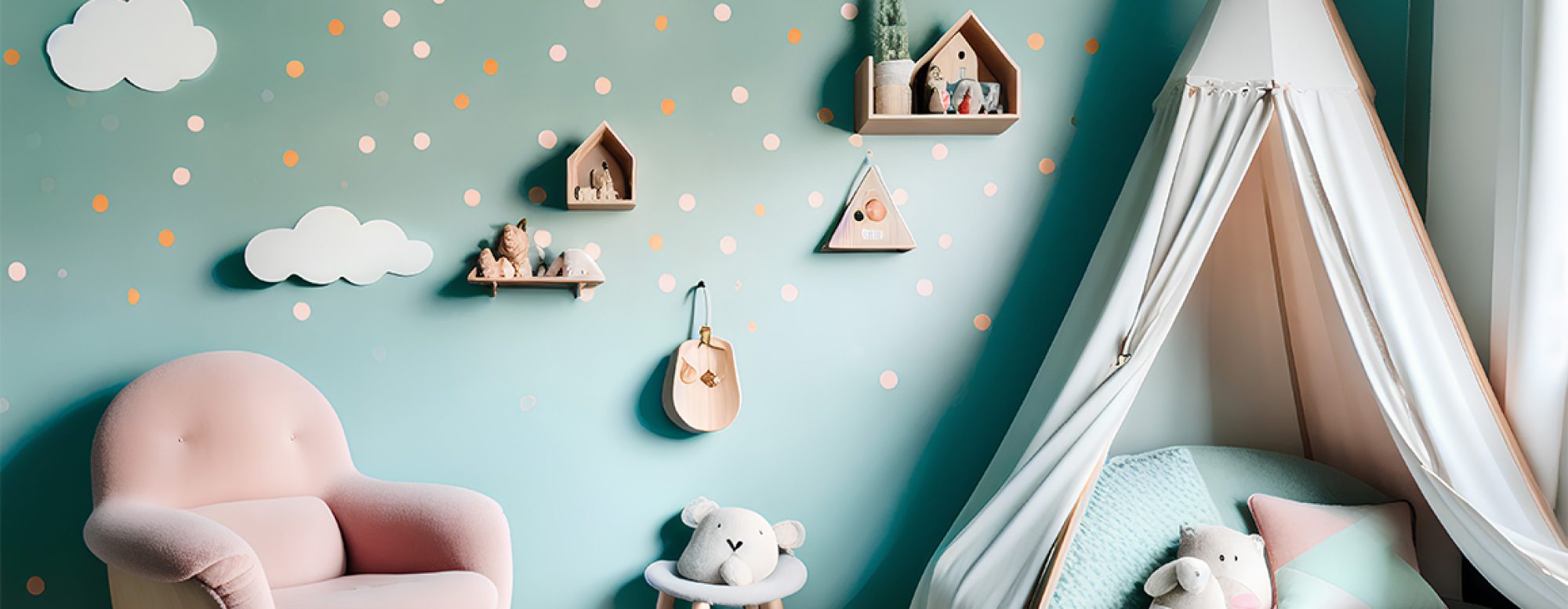
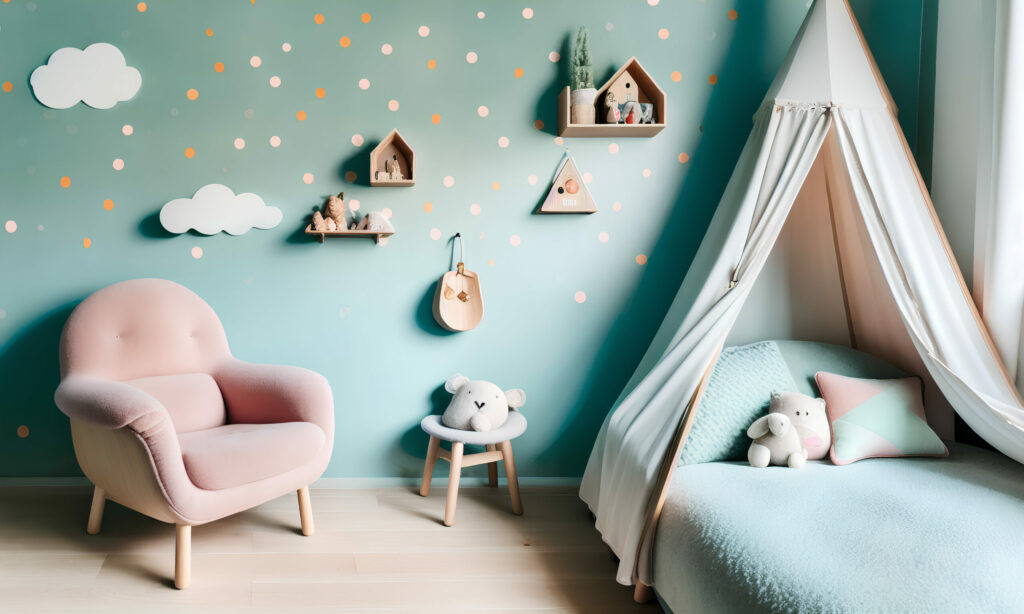
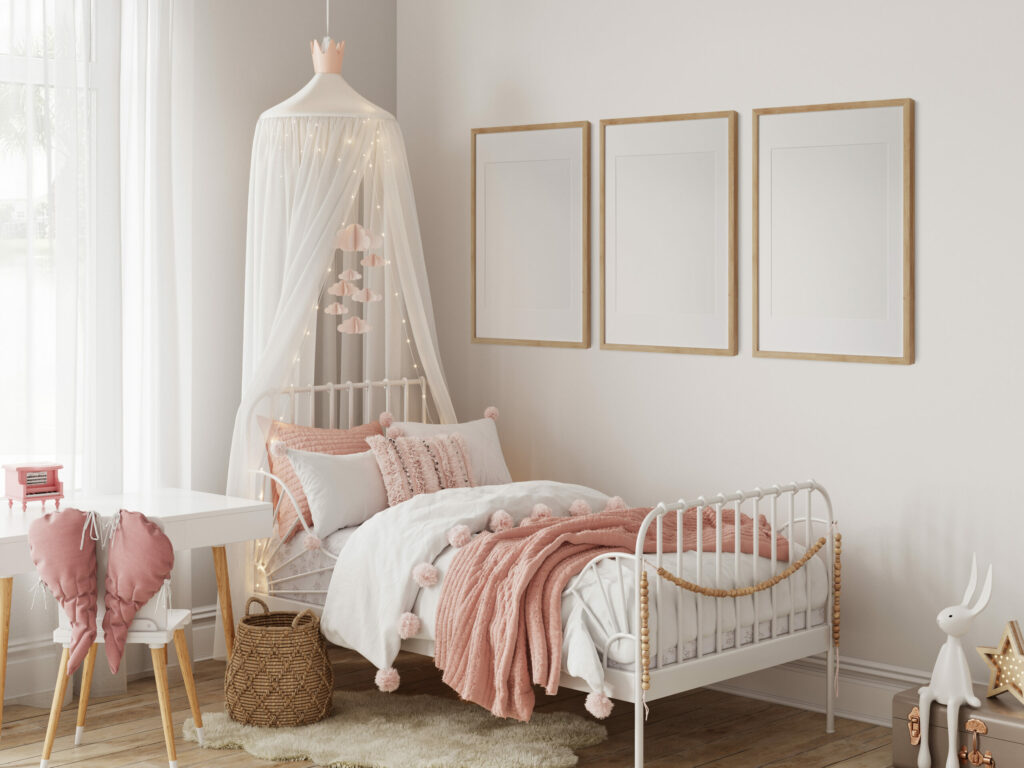
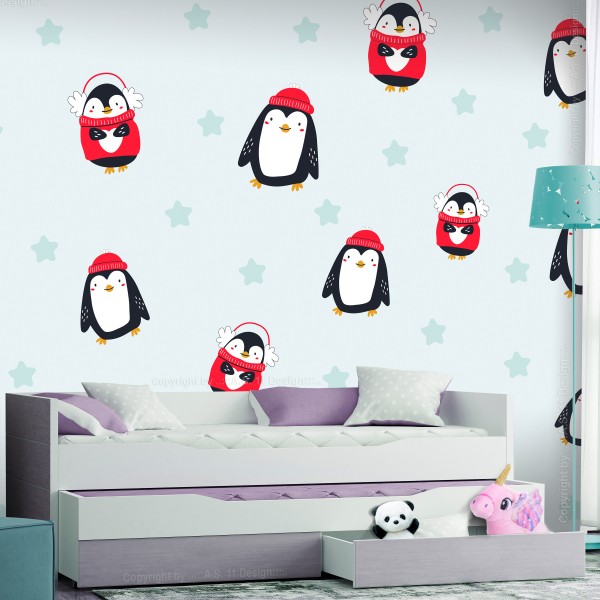
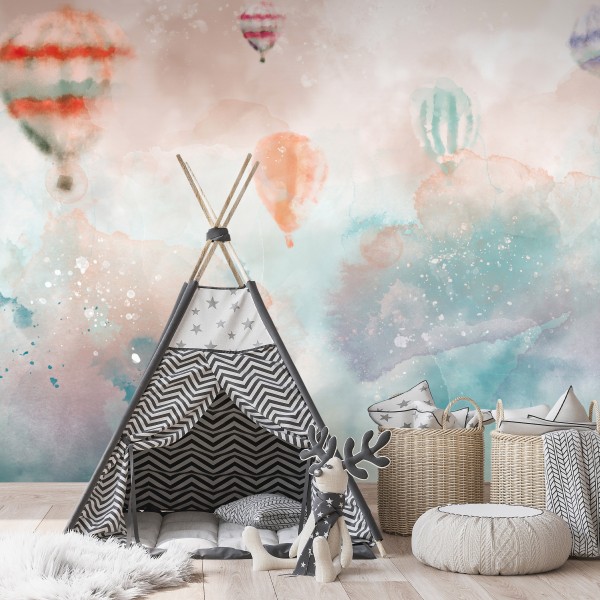
Designing a child’s room is a great opportunity to let your imagination run wild and turn a room into a cozy place where children can play and develop. Decorating the children’s room means a great responsibility for parents. Because the design is not only a question of furnishing with decorative elements. It is also about choosing the right furnishing materials: safe, beautiful and pleasant to use.
Decorating a child's room: What do you need to know?
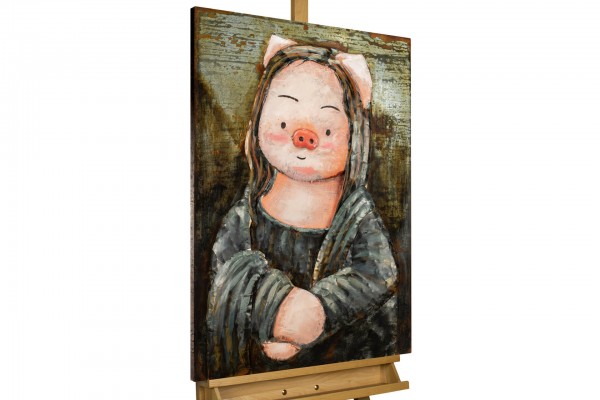
The importance of children having their own room is undisputed. After all, the children’s room shapes their attitude to life, their values and other important things. It influences their preferences and teaches them discipline. Therefore, when choosing furniture and decorative materials, you should not only pay attention to the appearance, but also bring an educational touch to the decorating process. How about a bookshelf to encourage a love of reading, reproductions of famous paintings to shape artistic taste, or a stylish world map?
Designing a child’s room can be a difficult task, especially for first-timers. It is important to consider the following areas:
An area for playing
An area for sleeping
A corner for being creative (for preschoolers) or for learning (for school children)
Thoughtful interior design can contribute not only to the promotion of child development, but also to a harmonious family life.
Age appropriate design of the children's room
Furnishing a child’s room can be a challenge, especially considering the fact that children’s needs and preferences change over the years. That is why it is important to design the children’s room according to their age.
Room for a child up to 3 years
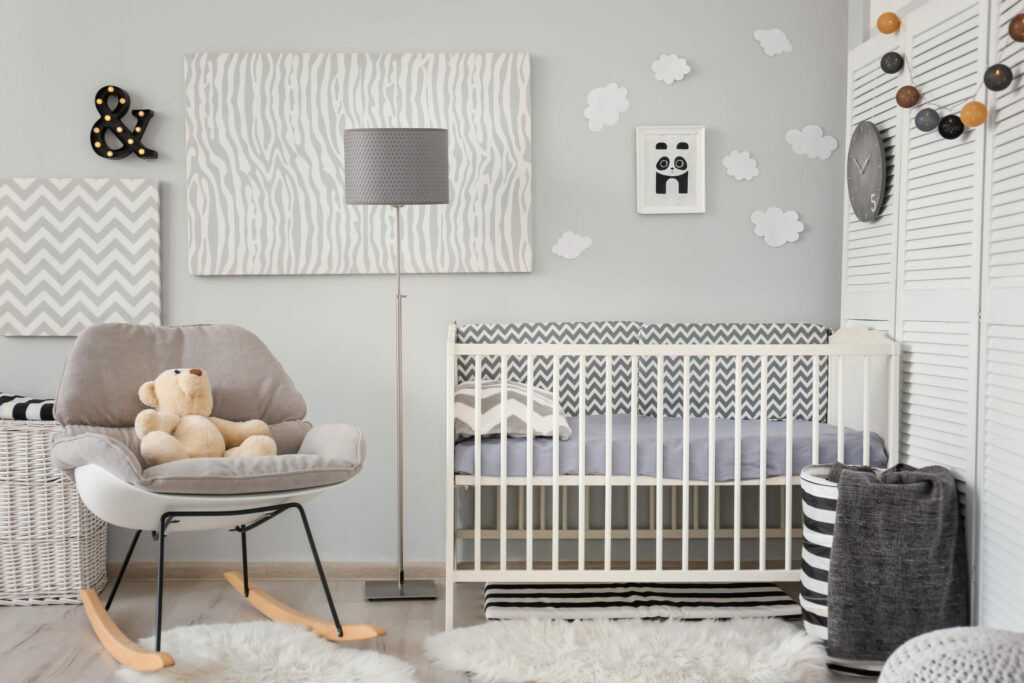
For infants and toddlers up to three years old, the nursery must be functional above all. A comfortable crib or cradle, a changing table and some storage space for clothes and toys are a must. When furnishing, care should be taken to ensure that the colors and patterns used are soothing and not too intrusive, so that the child is not overstimulated.
Room for a child from 3 to 5 years
For children between 3 and 5 years old, who can already play and learn independently, the children’s room should be a mixture of functional and creative elements. A larger bed, a desk and a small reading corner can encourage the child to play, read and learn. The colors and patterns may also be a little more colorful and cheerful now.
Children's room for a child aged 6-8 years
At the age of 6 to 8 years, children usually want to express their own interests and personality. At this age, the children’s room can be customized with interesting wall decorations, comfortable seating and maybe even a small game table. Colors and patterns can be chosen according to the child’s wishes to encourage creativity and individuality.
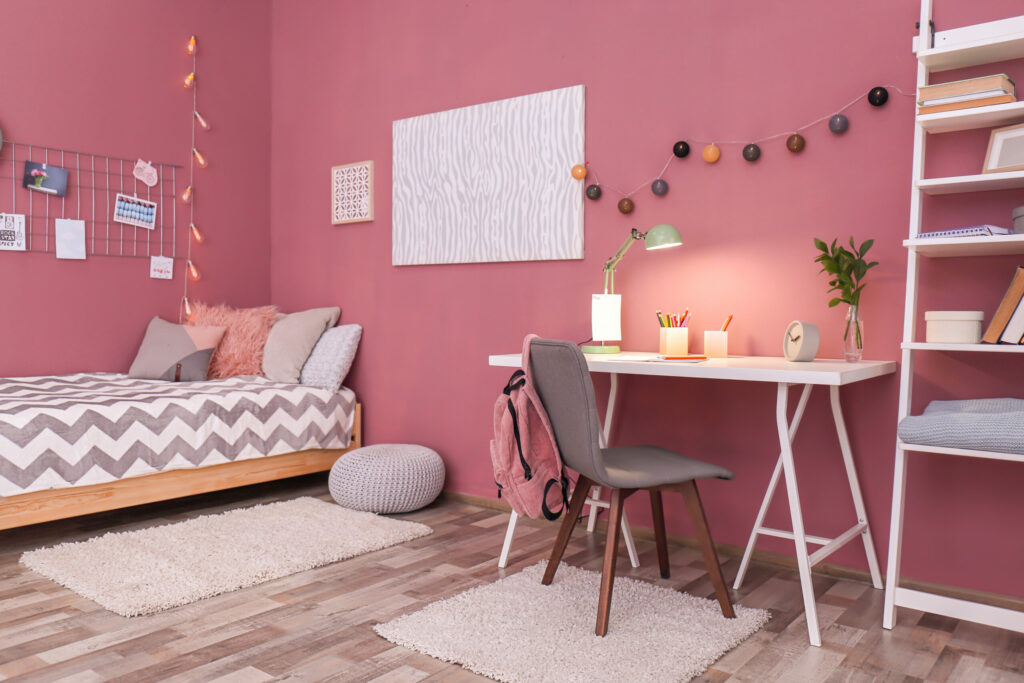
Finally, we come to the teenagers. A teenager’s room should be a private space that is both functional and aesthetically pleasing. A large bed, desk and comfortable seating should be present to meet the needs of school, leisure and friends. Paintings, fairy lights and colorful cushions can spice up the room and reflect the teen’s individual style.
Overall, it is important to keep the child’s age and needs in mind when designing the child’s room. Well-designed furnishings can help the child feel comfortable and secure, encourage creativity, and provide a space that will change and evolve with him or her over the years.
Trend colors for the design of the children's room
Choosing colors for a room can be an exciting and creative experience. There are many trendy colors that are particularly popular this year and can give the room a stylish and contemporary feel. Here are some of the most popular colors for designing a child’s room:
Mint green
Fresh and calming color mint green is an excellent choice for a little person’s room. This color can give the room a delicate and soft touch and create a calm atmosphere, ideal for a restful sleep.
White
White is a timeless classic that never goes out of fashion. It is a bright and clean color that makes the room look bigger and more spacious. White walls are also the perfect background for colorful accessories and decorations that will make your child’s room shine.
Pink
Pink is a traditional and popular color for girls’ rooms. There are many different shades of pink, from pale pastel to vibrant magenta. This color can add a sweet and feminine touch to the room and is perfect for little girls who love to play in a fairytale environment.
Gray
Gray is a neutral color that gives a room a modern and stylish look. It is an excellent choice for a teenager’s room, as it creates an elegant and adult atmosphere. Gray walls are also a perfect background for colorful accents and decorations that will spice up the room.
Beige
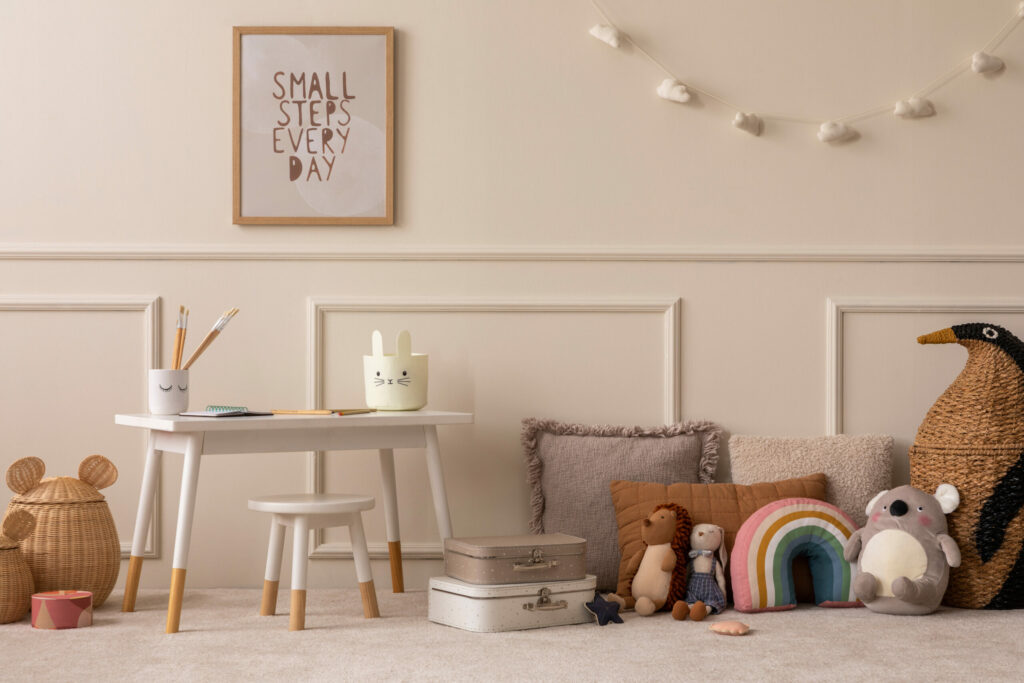
Beige is a warm and inviting color that makes the room cozy. It is an excellent choice for a young child’s room as it creates a soft and calming atmosphere. Beige walls can also be combined with many different colors and patterns to create a unique and individual look.
Decoration of the children's room
The design of the children’s room includes not only the choice of furniture and decorations, but also the choice of materials and colors for the ceiling, walls and floor. Each area helps to create a child-friendly and safe environment that stimulates the imagination and creativity of the child.
Ceiling and walls
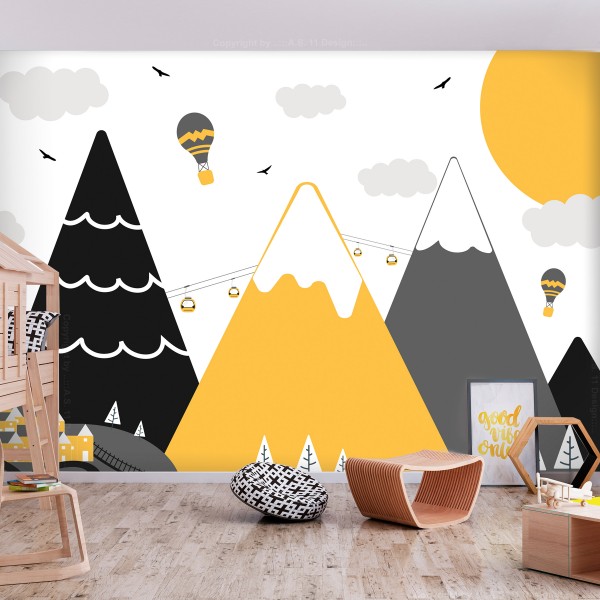
A colorful ceiling can make a room brighter and friendlier, while a ceiling in a neutral color can have a calming effect. A beautiful painting or wallpaper with motifs suitable for children can make the room more interesting and lively. However, it is important to make sure that the materials are non-toxic and safe for children.
Suitable flooring is carpet, laminate or parquet. Carpet is soft and can mitigate injuries from falls, while laminate and wood floors are easy to clean and durable. It is also advisable to use non-slip rugs or mats to prevent falls. In any case, it is important to choose durable and easy-care materials, as children’s room furnishings are often subject to heavy wear and tear.
Generally, bright, friendly furniture is suitable for children’s rooms, which should be made of durable and easy-care materials.
The most important piece of furniture in the children’s room is, of course, the crib. Here it is especially important that it is stable and safe. There are different models, from a simple bed frame to a loft bed with a slide and climbing wall.
The desk is also an important part of the children’s room, especially if the child already goes to school. The size of the desk should be adapted to the size of the child and provide enough storage space for books and writing utensils.
A shelf or a chest of drawers are also practical furniture for the children’s room. Here you can store toys, books and clothes.
When choosing furniture, safety aspects should also be taken into account to avoid injuries. For example, for small children, sharp corners and edges should be avoided. The design of the furniture can be adapted to the taste and preferences of the child. Bright colors and child-friendly motifs are often a good choice. However, it is important that the furniture is functional and meets the needs of the child. With the right choice of furniture, the children’s room can become a cozy, functional and safe place where the child will enjoy spending time.
Decorative elements in children's room
Child-friendly lighting and creative decoration can significantly improve the atmosphere of a child’s room and create a pleasant environment for playing, learning and relaxing.
Lighting
Light plays an important role here, as it influences the mood in the room and can support the children’s daily routine. A combination of bright daylight and soft artificial light creates a pleasant atmosphere and supports concentration during learning and relaxation during play. A ceiling light with dimmer and a bedside lamp offer flexible lighting options for different activities and provide a pleasant play of light.
Decoration
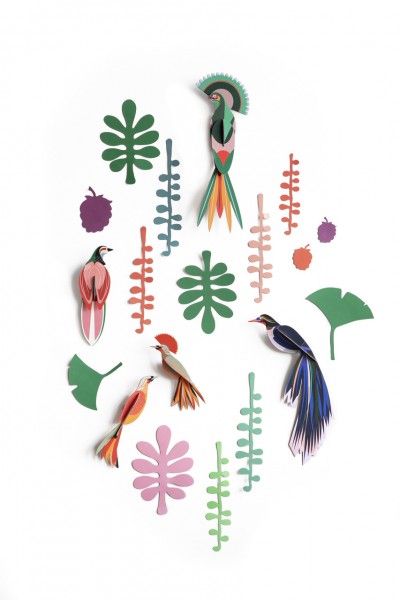
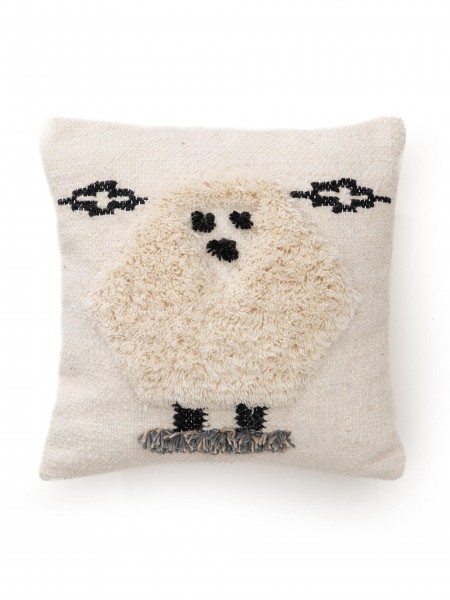
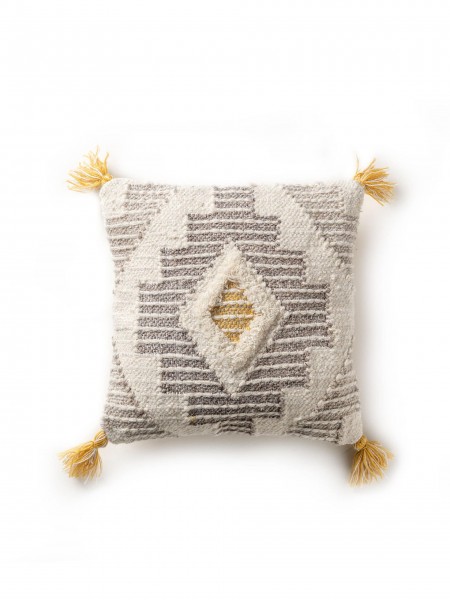
When designing a child’s room, there are no limits to imagination. Colorful wall art, funny wall tattoos or hanging decorations can brighten up the room and create a child-friendly atmosphere. Home textiles such as rugs, curtains and pillows in bold colors and eye-catching patterns can also spice up the room while creating a cozy environment. However, materials that irritate children’s sensitive skin should not be used.
In addition, clocks can play an important role in a child’s room. They can help children to better structure their daily routine and develop a sense of time and responsibility. A colorful wall clock or a cute table clock can be a beautiful decorative element and have a practical use at the same time.
In summary, the design of the children’s room plays an important role in the development and well-being of children. By creating a cozy and safe space, parents can offer their children a place to play, relax and learn.